
Key Takeaways
- GLP-1 medications like semaglutide, tirzepatide, and liraglutide are FDA-approved for weight loss.
- These medications work by mimicking natural gut hormones that regulate appetite, slow digestion, and help control blood sugar levels.
- Beyond weight loss, GLP-1 medications offer significant benefits for heart health, blood pressure, and cholesterol levels.
- Proper nutrition and hydration are essential when taking GLP-1 medications to minimize side effects and maximize health benefits.
- At OrderlyMeds, we offer compounded semaglutide (GLP-1) and tirzepatide (GLP-1/GIP), along with personalized, provider-led care to help you determine which medication best fits your weight-loss goals.
How GLP-1 Medications Actually Work in Your Body
GLP-1 medications are FDA-approved for clinical obesity treatment and have shown remarkable effectiveness in helping patients achieve and maintain substantial weight loss
To understand why GLP-1 medications are so effective, it helps to know what happens naturally in your body. When you eat, your intestines release a hormone called glucagon-like peptide-1 (GLP-1), which performs several important functions: it signals fullness to your brain, slows down how quickly food leaves your stomach, and helps regulate your blood sugar by stimulating insulin release.
GLP-1 medications are designed to mimic this natural hormone but with much stronger and longer-lasting effects. By activating GLP-1 receptors throughout the body, these medications create a powerful sense of fullness and satisfaction with smaller portions of food. This naturally reduces calorie intake without the constant hunger that typically accompanies dieting.
Additionally, these medications slow gastric emptying, meaning food stays in your stomach longer. This creates prolonged feelings of fullness and prevents rapid spikes in blood sugar after meals, thereby naturally reducing appetite and food intake.
OrderlyMeds: Medically-Supervised GLP-1 Weight Loss Made Accessible
15lbs Average Loss in 3 Months | 4.7★ Google Rating

Sustainable Weight Loss with Expert Support:
Access compounded semaglutide or Tirzepatide through telehealth—significantly more affordable than branded alternatives. Join 100,000+ patients who’ve collectively lost over 2 million pounds with ongoing medical guidance and personalized dosing.
Your Complete Care Package Includes:
✓ $224 for 3-month starter plan (compounded semaglutide)
✓ Unlimited provider access with personalized dosing adjustments
✓ $3,700 value in nutrition resources, expert webinars, and community support
✓ Direct-to-home delivery with optional mental health partnership
Real medical care. Real results. Real support every step of your journey.
3 Types of GLP-1 Medications for Weight Loss
1. Semaglutide
Semaglutide has become one of the most recognized GLP-1 medications, available under two primary brand names: Wegovy and Ozempic. Originally developed for the treatment of type 2 diabetes, clinical trials revealed its significant weight-loss effects, prompting the development of specific formulations for weight management.
In clinical trials, participants using semaglutide lost an average of 15% of their body weight over 68 weeks, significantly more than the 2.4% lost in the placebo group. This translates to approximately 33 pounds for someone starting at 220 pounds. However, individual responses vary widely based on starting weight, genetics, lifestyle factors, and adherence to treatment protocols.
Wegovy vs. Ozempic: Same Medicine, Different Doses
Although chemically identical, Wegovy and Ozempic serve different primary purposes and have different dosing protocols.
Wegovy is FDA-approved specifically for chronic weight management in adults with obesity or overweight with at least one weight-related condition. Its dosing starts lower but escalates to a maximum maintenance dose of 2.4mg weekly.
Ozempic, which contains the same active ingredient, is FDA-approved for type 2 diabetes management and has a lower maximum weekly dose of 2mg.
2. Tirzepatide
Tirzepatide is the latest generation of weight-management medications. It works through a dual-action mechanism that targets both GLP-1 and GIP (glucose-dependent insulinotropic polypeptide) receptors. While the GLP-1 component works similarly to semaglutide (reducing appetite, slowing gastric emptying, and improving insulin sensitivity), the additional GIP component enhances postprandial insulin response and may further regulate fat metabolism.
Tirzepatide outperforms semaglutide for weight loss, according to a 2025 meta-analysis of clinical trials and real-world data. Higher doses (>10 mg) yield even greater reductions, up to 6.50% more.
Mounjaro vs. Zepbound: Diabetes vs. Weight Loss Versions
Similar to semaglutide’s dual branding, tirzepatide is marketed as Mounjaro for type 2 diabetes management and Zepbound for chronic weight management. Both contain identical active ingredients but differ in their FDA-approved indications, which affects insurance coverage and potentially out-of-pocket costs.
Zepbound received FDA approval in late 2023 specifically for chronic weight management in adults with obesity or overweight with weight-related conditions, while Mounjaro has been available since 2022 for type 2 diabetes.
3. Liraglutide
Liraglutide was among the first GLP-1 medications approved for weight management and remains an effective option for many patients. Available as Saxenda for weight loss and Victoza for diabetes treatment, liraglutide requires daily rather than weekly injections, which is its main drawback compared to newer alternatives.
Saxenda for Weight Loss vs. Victoza for Diabetes
Liraglutide is marketed under two different brand names with different dosing protocols. Saxenda is specifically FDA-approved for chronic weight management at doses up to 3.0mg daily, while Victoza is approved for type 2 diabetes management at lower doses (up to 1.8mg daily). Although they contain the same active ingredient, insurance coverage differs substantially between these formulations.
Clinical trials showed that patients using the full 3.0 mg dose of Saxenda lost an average of 8.4±7.3 kg body weight over 56 weeks. While this is less than the weight loss seen with semaglutide or tirzepatide, liraglutide has a long safety record. It may be preferred for certain patients, particularly those who have already responded well to it for diabetes management.
GLP-1 Medication Benefits Beyond Weight Loss
Heart Health Improvements
One of the most significant benefits of GLP-1 medications is their positive impact on cardiovascular health. Clinical studies have shown that these medications can reduce the risk of major adverse cardiovascular events like heart attack and stroke by 15–26%, depending on the specific medication.
Blood Pressure Reduction
Many patients using GLP-1 medications experience meaningful reductions in blood pressure. This reduction can occur relatively quickly, often within the first few months of treatment. The blood pressure benefits appear to result from both weight loss and the direct effects of GLP-1 medications on blood vessels and kidney function.
Cholesterol Level Changes
GLP-1 medications typically produce favorable changes in blood lipid profiles, particularly by reducing triglycerides and improving the ratio of “good” (HDL) to “bad” (LDL) cholesterol. These lipid improvements contribute to the overall cardiovascular benefits of GLP-1 therapy and may reduce the need for separate lipid-lowering medications in some patients.
Key Differences Between GLP-1 Medications
Weekly vs. Daily Injections
Newer medications like semaglutide (Wegovy) and tirzepatide (Zepbound) require a single weekly injection, while older options like liraglutide (Saxenda) must be administered daily.
Oral vs. Injectable Options
While most GLP-1 medications require injection, semaglutide is also available in an oral tablet form (Rybelsus) for diabetes treatment. However, the oral form achieves significantly lower blood levels than injectable forms, resulting in more modest weight-loss effects than injectable semaglutide.
Single vs. Dual-Action Medications
The latest advancement in weight-management medications is the development of dual-action peptides that target multiple hormone pathways simultaneously. Tirzepatide (Zepbound/Mounjaro) is the first FDA-approved medication that activates both GLP-1 and GIP receptors, and its dual mechanism appears to produce superior weight-loss results.
Weight Loss Effectiveness Comparison
When comparing the effectiveness of different GLP-1 medications for weight management, clinical trial data provide clear guidance. Tirzepatide (Zepbound) currently leads with average weight loss of 20–22.5% of initial body weight at the highest dose (SURMOUNT-1), followed by semaglutide (Wegovy) at 15–17% (STEP 1), and liraglutide (Saxenda) at 8–9% (SCALE).
It’s worth noting that real-world results may differ from clinical trials, and individual responses can vary significantly based on genetics, starting weight, adherence to recommended lifestyle modifications, and other medications.
Common Side Effects & How to Manage Them
The most common side effects of semaglutide are gastrointestinal in nature. Nausea, vomiting, diarrhea, and constipation typically occur most intensely during dose escalation phases. These symptoms generally improve with time as the body adjusts to the medication.
Managing these side effects effectively is crucial for treatment success. Simple strategies include eating smaller meals, avoiding high-fat foods, staying well hydrated, and taking anti-nausea medications as recommended by your provider. Most importantly, following the prescribed dose titration schedule allows your body to adjust to the medication’s effects gradually.
Nutrition & Exercise Guidelines While Taking GLP-1 Medications
While GLP-1 medications can produce significant weight loss on their own, combining them with appropriate nutrition and physical activity optimizes outcomes and overall health. Here are some guidelines to keep in mind while taking GLP-1 medications:
Protein Intake Recommendations
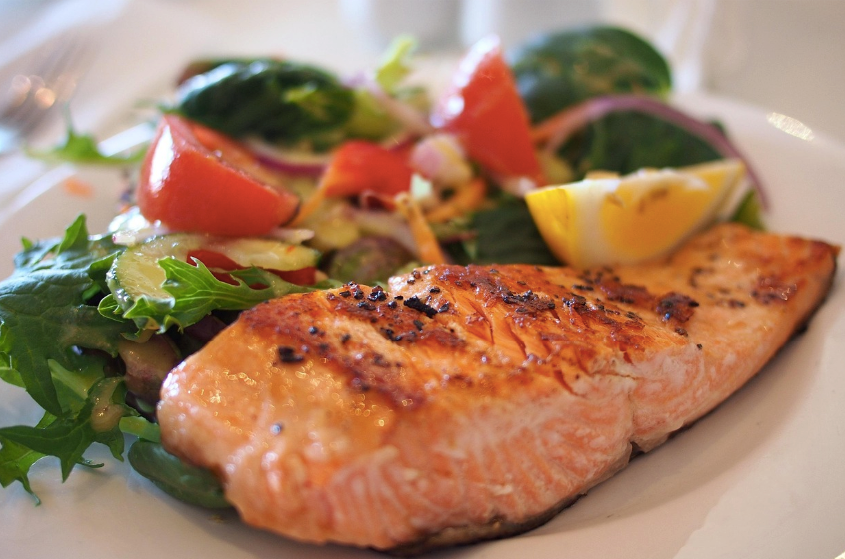
Adequate protein intake becomes especially important when using GLP-1 medications to ensure weight loss comes primarily from fat rather than muscle. Since these medications reduce overall food intake, the protein density of your diet (the percentage of calories from protein) should increase to maintain sufficient absolute protein consumption.
Prioritize protein at the beginning of meals, when appetite is strongest, and focus on lean, complete protein sources such as poultry, fish, eggs, dairy, and plant-based options.
Hydration Requirements
GLP-1 medications can reduce not only hunger but also thirst sensations, potentially leading to inadequate fluid intake.
Additionally, the rapid weight loss these medications produce releases stored toxins and creates metabolic byproducts that require sufficient water for proper elimination. Most adults taking GLP-1 medications should aim for 64–80 ounces (2–2.5 liters) of fluid per day, primarily water.

Safe Exercise Adjustments
Regular physical activity enhances the effectiveness of GLP-1 medications while providing independent health benefits for cardiovascular fitness, muscle strength, and emotional well-being.
However, you may need to adjust your exercise approach, particularly during the early weeks of treatment, when energy levels may fluctuate, and side effects can be more pronounced.
3 Types of GLP-1 Medications for Weight Loss: Summary Table
| Feature | Semaglutide | Tirzepatide | Liraglutide |
| Brand Name (Weight Loss) | Wegovy | Zepbound | Saxenda |
| Brand Name (Diabetes) | Ozempic | Mounjaro | Victoza |
| Mechanism of Action | GLP-1 receptor agonist | Dual GLP-1/GIP receptor agonist | GLP-1 receptor agonist |
| Dosing Frequency | Once weekly | Once weekly | Once daily |
| Maximum Dose | 2.4 mg/week | 15 mg/week | 3 mg/day |
| Average Weight Loss | 15–17% of body weight (STEP 1) | 20–22.5% of body weight (SURMOUNT-1) | 8–9% of body weight (SCALE) |
| FDA Approval (Weight Loss) | June 2021 | November 2023 | December 2014 |
Get Personalized Weight Loss Support with OrderlyMeds

Navigating GLP-1 options can feel overwhelming, but at OrderlyMeds, we believe in helping you start simple with accessible GLP-1 care and stay strong with ongoing support throughout your journey. We offer compounded semaglutide and compounded tirzepatide, along with expert guidance to help you achieve real, sustainable results.
Before treatment begins, our licensed physicians carry out comprehensive health screening to determine whether GLP-1 therapy is appropriate and which medication best suits your needs.
We are also committed to personalized, ongoing care rather than a one-size-fits-all prescription. We provide a care team that closely monitors your progress and adjusts your treatment plan as your body responds, ensuring optimal results throughout your journey.
A membership gives you access to over $3,700 in additional resources designed to support sustainable results. These resources include dietitian-created meal plans, science-backed educational guides, expert webinars, a fitness app, access to BetterHelp online therapy, and a private members-only community for ongoing encouragement.
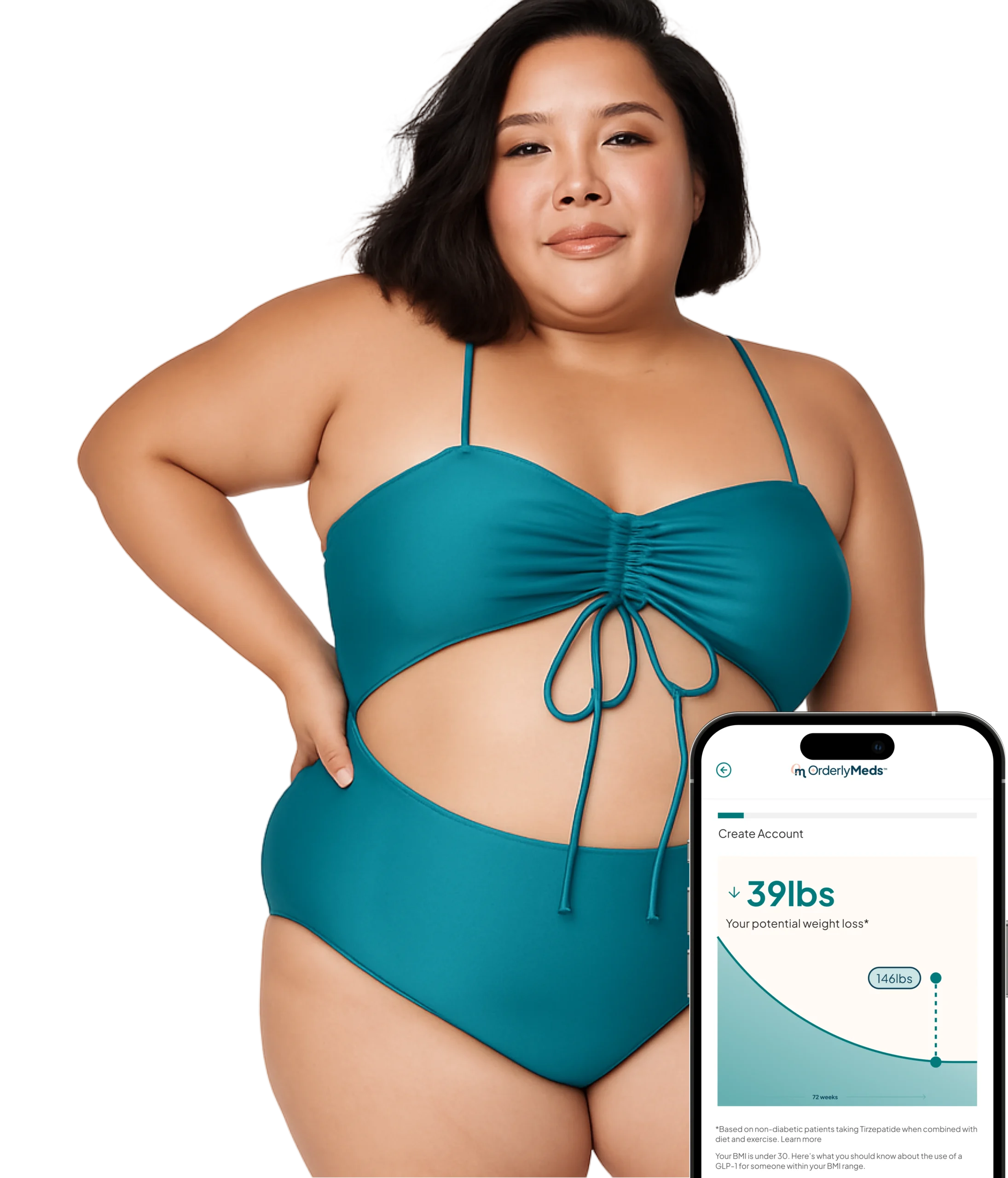
Our OrderlyMeds app lets you track your progress, connect with your care team, and access resources directly from your phone, making your path to lasting weight loss as seamless as possible.
Check Your Eligibility with OrderlyMeds →
Frequently Asked Questions (FAQs)
Will my insurance cover GLP-1 medications for weight loss?
Medicare generally doesn’t cover medications exclusively for weight loss, though it may cover them when prescribed for diabetes.
However, accessing GLP-1 medications through OrderlyMeds doesn’t require insurance. We offer transparent pricing, which covers online visits with your provider and GLP-1 medications.
What happens if I stop taking my GLP-1 medication?
When GLP-1 medication is discontinued, most patients experience some degree of weight gain as the medication’s appetite-suppressing effects diminish.
This regain occurs because these medications act on biological pathways that regulate hunger and metabolism, and these effects persist only while the medication remains in your system.
Can I drink alcohol while taking GLP-1 medications?
While GLP-1 medications don’t specifically interact with alcohol in the way some other medications do, combining them requires caution for several reasons.
These medications slow gastric emptying, which can cause alcohol to remain in the stomach longer and potentially lead to higher blood alcohol levels than expected from your typical consumption.
Can I get semaglutide at OrderlyMeds?
Yes, at OrderlyMeds, we provide access to GLP-1 medications, including compounded semaglutide and compounded tirzepatide. Our specialized team will work closely with you to determine the most appropriate medication based on your health needs and treatment goals.
*Disclaimer: This article is for informational purposes only and does not constitute medical advice. OrderlyMeds provides compounded medications that have not been reviewed by the FDA for safety, efficacy, or quality. Always consult a licensed healthcare provider before starting any medication. Individual results vary, and medication should be used alongside healthy lifestyle practices.