
Weight loss

Weight loss

HomeArticle ContentDoes Semaglutide Help with Sugar Cravings? Benefits Explained

Does Semaglutide Help with Sugar Cravings? Benefits Explained

A person holding a dessert

Key Takeaways

  • Semaglutide has been shown in clinical trials to reduce sugar cravings by altering brain reward pathways and increasing taste sensitivity.
  • Clinical trials show that semaglutide helps patients eat fewer high-sugar, high-fat foods without increasing hunger.
  • The medication works by mimicking GLP-1 hormones that regulate appetite and food preferences in the brain.
  • At OrderlyMeds, we offer personalized GLP-1 medication treatment plans and guidance to support your weight-loss journey. With our membership plans, you can get access to BetterHelp online therapy, dietitian-created meal plans, expert guides, webinars, and more. 

Semaglutide Actually Reduces Sugar Cravings – Research Confirms

Clinical research now confirms that semaglutide not only helps with blood sugar control and weight loss, but it also reduces the intense desire for sweet foods that many patients struggle with daily.

Multiple studies demonstrate that participants taking semaglutide experience significant decreases in their preference for sugary and high-fat foods. In a key clinical trial, participants consistently reported fewer and less intense food cravings and better control over their eating behaviors than those taking a placebo.

What makes these findings particularly important is that the reduction in cravings doesn’t appear to be temporary. Phase 3 trials with both oral and injectable semaglutide showed sustainable changes in eating patterns and food preferences over time.

How Semaglutide Works to Curb Sweet Tooth Habits

A person licking an ice cream cone.
Semaglutide slows gastric emptying, which further contributes to more gradual glucose absorption and fewer blood sugar fluctuations that might trigger cravings.

GLP-1 Receptor Action in the Brain

Semaglutide functions as a GLP-1 (glucagon-like peptide-1) receptor agonist, meaning it mimics the natural GLP-1 hormones in your body. These hormones play a crucial role in regulating appetite and food intake.

When semaglutide activates GLP-1 receptors in the brain, it triggers a cascade of signals that modify how we experience hunger and satisfaction. This neurological mechanism helps explain why patients report not only eating less, but also desiring sugary foods less frequently and intensely.

Impact on Reward Pathways

One of the most interesting ways semaglutide reduces sugar cravings is by changing how your brain reacts to sweet foods. Studies show that semaglutide reduces activity in the part of your brain responsible for pleasure and reward, particularly when you taste something sweet. This means your brain no longer gets the same “feel-good” signal from sugary foods that it used to, making sweets less tempting and easier to pass up.

Blood Sugar Regulation Effects

Semaglutide helps stabilize blood sugar levels by acting as a GLP-1 receptor agonist. This blood sugar regulation plays an indirect but powerful role in reducing sugar cravings. When blood glucose levels remain more consistent throughout the day, the body experiences fewer drastic drops that often trigger intense cravings for quick carbohydrates and sugary foods.

Many patients with type 2 diabetes caught in cycles of blood sugar spikes and crashes find themselves experiencing powerful cravings during the low periods. By flattening this glucose curve, semaglutide helps eliminate one of the physiological drivers behind sugar cravings. 

5 Benefits of Semaglutide for Sugar Cravings

1. Increased Sweet Taste Sensitivity

One of semaglutide’s most remarkable effects is its ability to increase sweet taste sensitivity. Research shows that people taking semaglutide experience enhanced perception of sweetness, meaning they need less sugar to satisfy their taste for sweetness.

In one study, participants taking semaglutide increased their taste sensitivity scores from 11.9 to 14.4, indicating a significant improvement in their ability to detect sweetness.

This heightened sensitivity explains why many patients report feeling satisfied with smaller amounts of sweet foods or finding previously enjoyable treats “too sweet” after starting treatment.

2. Decreased Preference for High-Fat Foods

Clinical trials demonstrate that semaglutide significantly reduces preferences for high-fat foods alongside sweet treats. This dual effect addresses a common problem many patients face: cravings for foods that are both sweet and fatty, such as pastries, ice cream, and chocolate. 

The decrease in preference for these high-calorie, low-nutrient foods was statistically significant in studies comparing semaglutide with placebo.

3. Improved Eating Control and Satiety

One of the most valuable benefits of semaglutide for those battling sugar cravings is the improved sense of control over eating behaviors. Study participants consistently reported greater control over their food choices and eating patterns while taking semaglutide than with the placebo. This improvement in eating control was demonstrated in questionnaire responses, in which participants reported fewer instances of feeling out of control around food. 

4. Reduced Hunger Signals

Semaglutide works directly on hunger pathways in the brain, resulting in a measurable reduction in hunger sensations. 

This benefit extends beyond general appetite suppression to specifically target the mechanisms driving sugar cravings. When hunger signals decrease overall, the intense urges for quick energy from sugary foods typically diminish correspondingly.

5. Lower Energy Intake Without Increased Desire to Eat

One of the most clinically significant findings regarding semaglutide is that it reduces overall energy intake without triggering compensatory increases in hunger or food desire. 

In controlled studies, participants consistently consumed fewer calories during ad libitum (eat as desired) meals while taking semaglutide compared to placebo periods. This reduced calorie intake occurred naturally, without participants feeling deprived or experiencing increased urges to eat.

Weight Loss Connection

The reduction in sugar cravings experienced by patients taking semaglutide directly contributes to significant weight loss outcomes. When patients naturally consume fewer sugary and high-fat foods, they typically reduce their overall caloric intake substantially without feeling deprived. Here’s how these benefits relate to weight loss: 

A person running down an empty street.
Semaglutide reduces sugar cravings and improves control over eating behaviors.

Fat Mass Reduction

Clinical data show that the changes in food preferences and eating behaviors while taking semaglutide translate to measurable changes in body composition. In controlled studies, participants taking oral semaglutide lost an average of 2.7 kg (about 6 pounds) over 12 weeks, while those on placebo lost only 0.1 kg. Most importantly, researchers confirmed that this weight loss primarily came from reductions in body fat mass rather than lean tissue or water weight.

This targeted fat loss is particularly beneficial for patients with type 2 diabetes, as visceral fat (the fat surrounding internal organs) contributes significantly to insulin resistance. By reducing cravings for high-sugar foods and promoting fat mass reduction, semaglutide addresses both the symptoms and underlying metabolic factors that complicate diabetes management.

Sustained Results in Clinical Trials

Phase 3 studies with both oral and injectable semaglutide demonstrated that the beneficial effects on food preferences, cravings, and weight management persist over time. 

Unlike many weight loss approaches that show diminishing returns after initial success, semaglutide appears to maintain its effectiveness in reducing sugar cravings and supporting healthier eating patterns.

Long-term studies indicate that the mechanism of action behind semaglutide’s effects on sugar cravings continues to provide clinical benefits throughout extended treatment periods. These sustained results suggest that semaglutide offers more than temporary symptom relief. It potentially provides a pathway to meaningful lifestyle changes that can improve long-term outcomes for patients struggling with sugar cravings and weight management.

Get Access to Personalized GLP-1 Care with OrderlyMeds

An OrderlyMeds-branded box containing GLP-1 medications.
OrderlyMeds provides access to personalized GLP-1 treatment plans, with shipping directly to your door.

If you’re ready to experience how semaglutide can help curb sugar cravings and support your weight loss goals, OrderlyMeds offers a straightforward path to getting started. As a telehealth-based GLP-1 provider, we connect you with licensed physicians who conduct thorough health evaluations to determine which GLP-1 medication (such as compounded semaglutide) or GLP-1/GIP medication (such as compounded tirzepatide) aligns with your medical history, lifestyle, and personal objectives. 

With compounded medication options delivered directly to your door at a fraction of the cost of brand-name alternatives, medically-supervised GLP-1 treatment becomes genuinely accessible, with no insurance requirements or hidden fees.

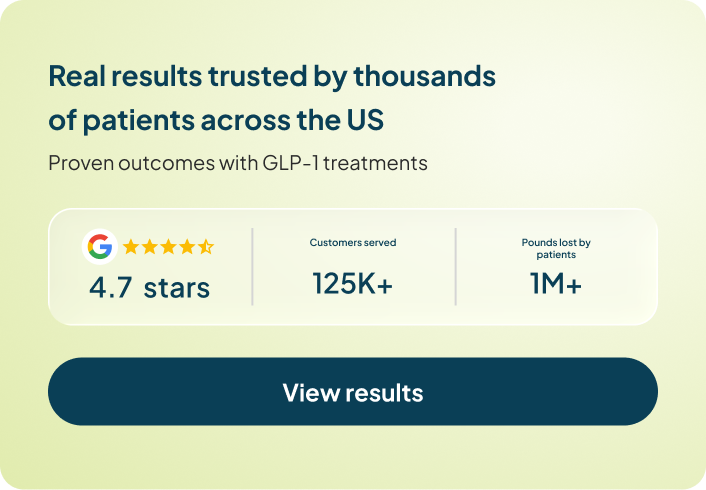
What distinguishes OrderlyMeds from one-time prescription services is our commitment to ongoing care throughout your journey. Your dedicated medical team monitors your progress and fine-tunes your dosage as your body adapts, ensuring you receive the right level of support whether your results come quickly or unfold more gradually. This personalized approach has helped over 125,000 patients collectively shed more than one million pounds.

A membership plan gives you access to a private-member community, a user-friendly app that helps you track your progress, research-based nutrition resources, and other resources geared toward supporting your health goals. 

Check Your Eligibility with OrderlyMeds →

Frequently Asked Questions (FAQs)

How quickly does semaglutide start reducing sugar cravings?

Most patients begin noticing changes in their sugar cravings within 2–4 weeks after starting semaglutide, though the timeline can vary. The full effect typically develops gradually as the medication reaches steady-state levels in your system, with many patients reporting progressive improvements in sugar cravings over the first 8–12 weeks of treatment.

What happens if I eat sugar while taking semaglutide?

Consuming sugar while taking semaglutide is not dangerous or prohibited, but many patients report that sweet foods taste intensely different or less appealing. You might notice that foods you previously enjoyed now taste excessively sweet or simply don’t provide the same satisfaction.

Will sugar cravings return if I stop taking semaglutide?

Research suggests that, for most patients, sugar cravings typically return after discontinuing semaglutide, though the timeline varies considerably across individuals. Studies show that the neurological and metabolic changes that reduce sugar cravings are primarily maintained through the medication’s ongoing activity at GLP-1 receptors in the brain and digestive system. Without this continuous activation, the body typically reverts toward pre-treatment patterns of food preferences and cravings over time.

Is semaglutide approved specifically for treating food cravings?

Semaglutide is not specifically FDA-approved for treating food cravings, though reducing cravings is a well-documented effect in clinical trials. Its primary approved indications are for type 2 diabetes management (Ozempic, Rybelsus) and chronic weight management (Wegovy) in appropriate patients.

Does OrderlyMeds provide ongoing support for weight loss treatments?

Yes, at OrderlyMeds, we provide ongoing medical support throughout your weight-loss journey, not just a one-time prescription. Your care team regularly monitors your progress and adjusts your dosage as your body responds, ensuring your treatment stays aligned with your evolving needs.

An OrderlyMeds membership also includes unlimited provider access, dietitian-created meal plans, expert webinars, a private patient community, a fitness app, and an optional BetterHelp therapy partnership, giving you the tools to build sustainable habits alongside your medication.

*Disclaimer: This article is for informational purposes only and does not constitute medical advice. OrderlyMeds provides compounded medications that have not been reviewed by the FDA for safety, efficacy, or quality. Always consult a licensed healthcare provider before starting any medication. Individual results vary, and medication should be used alongside healthy lifestyle practices.

Get started on your weight loss journey

Answer a few quick questions about yourself and get a recommendation for a medication that can help you reach your weight loss goals.