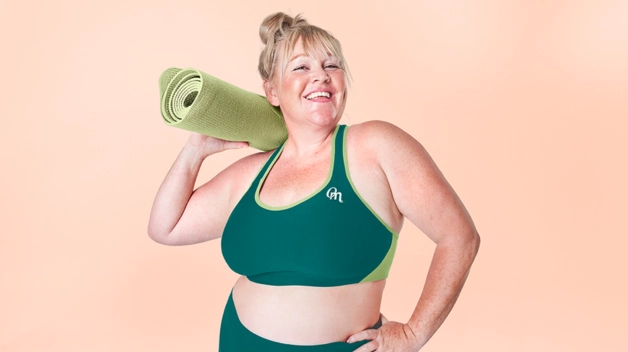
If you’re just beginning your fitness journey, getting fit at home can be one of the most effective and sustainable ways to build strength, increase energy, and improve your overall health. For those carrying extra weight, regular movement can increase metabolism, reduce joint strain, and improve cardiovascular health, making it an essential part of any long-term wellness plan. Even small, consistent efforts can enhance mobility, support weight loss, and increase confidence as your body adapts.
Whether you’re starting after a new weight loss medication or simply ready to prioritize your well-being, you don’t need an expensive gym membership or complicated workout plans to see progress. With the right mindset, a simple plan, and consistency, you can build a fitness routine that feels both manageable and rewarding.
In this guide, you’ll learn exactly how to start working out at home, what exercises to focus on as a beginner, and how to make your workouts effective with or without equipment.
How to Start Working Out at Home
Follow these steps to understand how to start exercising at home in a way that feels both achievable and rewarding:
Check with Your Doctor
Talk to your doctor about potential health concerns and medical conditions. They can help you choose safe, effective workouts and suggest modifications to keep you moving comfortably.
Set Realistic Goals
Do you want to build stamina, improve mobility, or support weight loss? Set SMART goals (Specific, Measurable, Achievable, Relevant, and Time-bound) to give yourself a clear path forward and keep your motivation high.
Create a Simple Plan
Having a plan makes starting easier and helps you stay consistent. Think about:
- What types of exercises will you do? A mix of cardio, strength training, and flexibility will keep your workouts balanced.
- How often will you work out? Starting with at least three days a week builds momentum without feeling overwhelming.
- Do you need equipment? A yoga mat, dumbbells, or resistance bands can be helpful, but you can still get fit at home without equipment by focusing on the type of bodyweight exercises included in this article.
- Start small and build up: Begin with short, 10- to 15-minute sessions and gradually increase intensity as you get stronger.
How Often Should You Exercise?
For general health, the American Heart Association recommends at least 150 minutes of moderate exercise (like brisk walking or cycling) or 75 minutes of vigorous exercise (like jogging or HIIT) per week, plus two days of strength training.
Popular Home Workout Equipment
While getting fit at home doesn’t require equipment, it can add variety and increase resistance, making your workouts more effective. Here are a few affordable essentials to consider:
- Yoga or Exercise Mat: Ideal for floor exercises, stretching, and providing support during workouts
- Comfortable, Supportive Shoes: Important for protecting your joints during walking, running, or strength training
- Dumbbells or Kettlebells: Effective for building strength and adding resistance to your workouts
- Resistance Bands: A versatile, space-saving option for strength training and improving flexibility
- Wrist and Ankle Weights: Useful for adding resistance and increasing muscle engagement during exercises
Do I Need Equipment?
Not necessarily! Getting fit at home without equipment is achievable through bodyweight exercises like squats, lunges, and wall push-ups. Household items such as water bottles can serve as weights, and a sturdy chair is all you need for seated exercises.
Types of Workouts for Beginners with Obesity
When you’re just starting your fitness journey, it’s important to find a mix of workouts that support your body’s needs, help you build strength, and improve cardiovascular health. A balanced combination of cardio, strength training, flexibility, and low-impact exercises will help you achieve steady progress.
Here are four types of at-home workouts to consider:
1. Cardio Workouts (Boost Heart Health & Burn Calories)
- Walking: Indoors or outdoors, walking is a gentle yet effective way to get moving and boost heart health
- Stair Climbing: A great low-impact way to strengthen your legs and improve cardiovascular fitness
- Dancing: A fun and energizing way to engage your entire body while burning calories
- Low-Impact Aerobics: Joint-friendly but still effective for burning calories and boosting endurance
2. Strength Training (Build Muscle & Metabolism)
- Dumbbell or Resistance Band Workouts: Use equipment like dumbbells or resistance bands for exercises like bicep curls, shoulder presses, and lunges
- Bodyweight Strength: Squats, push-ups, and modified planks are great bodyweight exercises to build muscle and metabolism
3. Balance & Flexibility (Prevent Injury & Improve Mobility)
- Yoga: Improve flexibility, posture, and relaxation through gentle, full-body stretches
- Tai Chi: Focus on coordination, balance, and reducing stress while enhancing body awareness
4. Low-Impact Workouts (For Joint-Friendly Movement)
- Chair Workouts: Great for beginners, seated exercises like leg lifts, seated marches, and gentle arm movements build strength without putting pressure on the joints
- Water Exercises: If you have access to a pool, swimming or water aerobics is excellent for joint protection while still providing a great workout
Many of these workouts can be done at home, but some may require equipment like dumbbells, resistance bands, or access to a pool for water exercises. Keep reading for more ways to start exercising at home without equipment.
Sample Week Long Beginner-Friendly Workout Routine w/ Equipment
A well-rounded, beginner-friendly workout routine is key to getting fit at home. Here’s a sample week-long plan with equipment that offers a balanced mix of cardio, strength training, and flexibility to keep you motivated.
| Day | Workout Type | Exercises |
| Monday | Cardio & Strength | 20-min walk + dumbbell squats & arm curls |
| Tuesday | Flexibility & Balance | 15-min yoga session |
| Wednesday | Fun Movement | Choose a fun activity like walking in a park or dancing for 2 or 3 songs. |
| Thursday | Rest or Gentle Stretching | Relaxation and mobility work |
| Friday | Strength | Wall push-ups, kettlebell swings |
| Saturday | Fun Movement | Dance or light cardio session |
| Sunday | Rest or Gentle Stretching | Relaxation and mobility work |
Focus on building lean muscle to burn more calories over time and increase your energy levels.
How to Get Fit at Home Without Equipment
If you’re looking for ways to get fit at home, you don’t need fancy equipment. Whether you’re just learning how to start working out at home, these simple exercises will help you build strength, improve flexibility, and improve overall fitness, without spending a dime.
Bodyweight Exercises for Getting Fit at Home
Bodyweight exercises are a great way to start exercising at home without the need for gym equipment. These moves can be adjusted to your fitness level, making them ideal for beginners or anyone looking to keep things low-impact. Here are some bodyweight exercises to get started:
- Squats: Stand with your feet shoulder-width apart, bend your knees, and lower your hips as if sitting in a chair. Push through your heels to return to standing. Squats work your legs, glutes, and core, making them an accessible option for getting fit at home.
- Lunges: Step one foot forward, lower your back knee toward the floor, then push back up. Alternate legs. Lunges are excellent for balance, stability, and leg strength, making them perfect for beginners learning how to get fit at home.
- Wall Push-Ups: Stand facing a wall, place your hands on it, and lower your chest toward the wall before pushing back up. Wall push-ups are a beginner-friendly way to work on upper body strength.
- Sit-Ups: Lie on your back with knees bent, engage your core, and lift your torso toward your knees. Sit-ups strengthen the abdominal muscles and help improve core stability.
- Knee Raises: Stand tall, then raise one knee toward your chest before lowering it. Repeat with the other leg. Knee raises engage the lower abdominals and help with flexibility.
Chair Exercises: Low-Impact and Effective
For those looking for low-impact options, chair exercises can be just as effective as bodyweight exercises. They’re easy on the joints, making them perfect for beginners starting their exercise routine at home. Here are a few chair exercises to incorporate:
- Chair Squats: Sit on the edge of a sturdy chair, then stand up, pushing through your heels. Lower yourself back down slowly. Chair squats target the legs and core while being gentle on the knees.
- Seated Leg Extensions: Sit upright in a chair and extend one leg straight out, hold for a few seconds, then lower it. This works the thighs and improves flexibility.
- Seated Marching: While seated, lift one knee at a time as if you were marching. This movement gets your heart rate up without putting stress on your body, making it an excellent way to start exercising when carrying extra weight.
Using Household Items as Exercise Equipment
No workout gear? No problem! You can use everyday household items to get fit at home. These items can serve as makeshift equipment for strength training and cardio exercises, adding variety to your workout routine.
Here’s how to use them:
- Soup Cans: Grab a pair of soup cans or any small household items to use as light dumbbells for exercises like bicep curls, shoulder raises, and lateral lifts.
- Step Stool: A sturdy step stool can be used for step-ups or cardio exercises. Simply step up onto the stool and back down, alternating legs. This movement helps with cardiovascular fitness and leg strength, giving you a solid workout without the need for equipment.
- Hand Towel: A hand towel can mimic a resistance band when used for stretching or resistance exercises. Try looping it around your feet for leg extensions, or use it for shoulder stretches. It’s a simple yet effective way to improve strength and flexibility as you start exercising at home.
Start small, stay consistent, and you’ll be on your way to a healthier, stronger you!
Sample Week Long No-Equipment, Beginner-Friendly Workout
This simple routine uses bodyweight exercises to build strength and improve flexibility from home. Follow a schedule consistently, incorporating rest and stretching days to allow recovery and keep your progress steady.
| Day | Workout Type | Exercises |
| Monday | Bodyweight Strength | Squats, lunges, wall push-ups |
| Tuesday | Flexibility | Gentle yoga or stretching |
| Wednesday | Cardio | Marching in place, step-ups |
| Thursday | Strength | Chair exercises, core work |
| Friday | Fun Movement | Dancing or active household chores |
| Saturday | Bodyweight & Strength | Knee raises, sit-ups, wall push-ups |
| Sunday | Rest or Stretching | Light movement and relaxation |
Tips for Starting an Exercise Routine at Home
Building a consistent workout habit takes time, but small, steady steps lead to lasting progress. Focus on exercises that match your fitness level, and don’t worry about intensity at the start. Consistency matters more than perfection. As you gain strength and confidence, you can gradually increase the duration and challenge of your workouts.
- Prioritize Warm-Ups & Cool-Downs: Take 5-10 minutes before and after each workout to stretch. This helps prevent injury and improves flexibility over time.
- Schedule Workouts Like Appointments: Treat your workouts like important meetings. Block time in your calendar and make them non-negotiable.
- Start Slow & Stay Patient: Begin with short, manageable workouts. Your body will gradually get stronger, and it’s okay if progress feels slow at first
- Listen to Your Body: If you need rest, take it. Avoid pushing through pain and adjust your routine as your body adapts.
Start Exercising with the Support of OrderlyMeds
Starting an exercise routine at home is an empowering step towards better health. With a simple plan, gradual progress, and the right mindset, you can create a sustainable routine that works for you.
If you’re taking weight loss medication, OrderlyMeds offers expert guidance and resources tailored to your needs, helping you stay on track. Join a community thousands-strong and maintain your weight loss journey with confidence. Check your eligibility today.