

Key Takeaways
- GLP-1 medications like semaglutide and tirzepatide (GLP-1/GIP) are more effective for external eaters (those who respond to food cues) than for emotional eaters.
- A Japanese study revealed that emotional eaters may need additional psychological support alongside GLP-1 therapy for optimal results.
- GLP-1 medications work by targeting the brain’s appetite-control center and slowing stomach emptying, thereby prolonging the feeling of fullness.
- Combining GLP-1 medications with behavioral strategies provides a more comprehensive approach to addressing emotional eating.
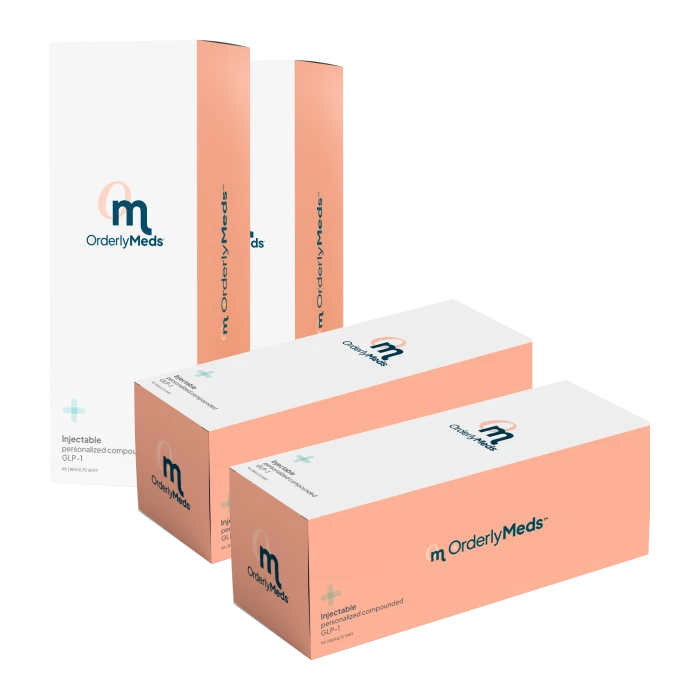
- At OrderlyMeds, we offer personalized GLP-1 treatment plans tailored to your individual goals. We provide easy access to consistent compounded semaglutide, compounded tirzepatide, and other GLP-1 medications, and we provide ongoing support throughout your journey.
The Science Behind Emotional Eating: Why We Turn to Food for Comfort
Emotional eating occurs when we use food to soothe negative emotions rather than to satisfy physical hunger. This complex behavior involves neurological pathways that connect our emotions directly to our eating patterns.
When stressed or upset, many people gravitate toward high-calorie, high-carbohydrate “comfort foods” that temporarily boost mood by triggering the release of dopamine and serotonin (our brain’s feel-good chemicals).
Unlike physical hunger, which develops gradually and can be satisfied with a variety of foods, emotional hunger comes on suddenly and often leads to intense cravings for specific foods.
The relationship between emotional states and eating behaviors involves several brain regions, particularly the hypothalamus (which regulates hunger) and the amygdala (which processes emotions). Chronic stress can dysregulate these systems, making emotional eaters more susceptible to weight gain over time.
OrderlyMeds: Medically-Supervised GLP-1 Weight Loss Made Accessible
15lbs Average Loss in 3 Months | 4.7★ Google Rating

Sustainable Weight Loss with Expert Support:
Access compounded semaglutide or Tirzepatide through telehealth—significantly more affordable than branded alternatives. Join 100,000+ patients who’ve collectively lost over 2 million pounds with ongoing medical guidance and personalized dosing.
Your Complete Care Package Includes:
✓ $224 for 3-month starter plan (compounded semaglutide)
✓ Unlimited provider access with personalized dosing adjustments
✓ $3,700 value in nutrition resources, expert webinars, and community support
✓ Direct-to-home delivery with optional mental health partnership
Real medical care. Real results. Real support every step of your journey.
How GLP-1 Medications Work in the Body & Brain
GLP-1 receptor agonists represent a unique approach to weight management that goes beyond simple calorie restriction. These medications mimic the action of a naturally occurring hormone called glucagon-like peptide-1, which plays a critical role in regulating appetite and food intake.
The Original Purpose: Beyond Diabetes Management
While initially developed to treat type 2 diabetes by improving insulin sensitivity and blood sugar control, researchers quickly noticed that patients taking GLP-1 medications experienced significant weight loss. This “side effect” prompted further investigation into their potential as weight-management tools.
Today, medications like semaglutide (Wegovy) and tirzepatide (Zepbound) have received FDA approval specifically for weight management in specific populations.
The Brain-Gut Connection: Signaling Pathways Affected
GLP-1 medications work along the complex communication network known as the brain-gut axis. When administered, these compounds cross the blood-brain barrier and bind to GLP-1 receptors in key brain regions responsible for appetite regulation, including the hypothalamus and brainstem.
This direct action on the central nervous system helps reduce food intake by decreasing appetite signals and enhancing feelings of fullness.
Effects on Hunger Hormones & Satiety Centers
Beyond their impact on the brain, GLP-1 medications significantly slow the rate at which food leaves your stomach. This prolonged stomach fullness creates a physical sensation of satiety that can help interrupt the pattern of emotional eating.
The medications also stimulate insulin release while suppressing glucagon, stabilizing blood sugar levels, and preventing the energy crashes that often trigger food cravings.
Most importantly for emotional eaters, GLP-1 medications reduce the reward value of highly palatable foods. Research using functional MRI has shown decreased activation in brain reward centers when patients taking these medications view images of tempting foods.
This dampening effect on the food reward system may be particularly beneficial for those who turn to hyperpalatable foods during emotional distress.
Research Reveals: Does GLP-1 Actually Help Emotional Eating?
Key Study Findings on Different Eating Patterns
A groundbreaking Japanese study followed 92 people with type 2 diabetes for their first year of treatment with GLP-1 receptor agonists. The researchers discovered that individuals with different eating patterns responded quite differently to the same medications.
Specifically, those who primarily overeat in response to external food cues, such as the sight or smell of delicious food, experienced greater and more sustained weight loss than those who ate primarily for emotional reasons.
These findings suggest that GLP-1 medications are most effective on the physiological pathways triggered by food stimuli but may be less effective at addressing the psychological drivers of emotional eating.
For individuals whose overeating stems primarily from mood regulation or stress response, additional interventions appear necessary to achieve optimal results.
Why External Eaters Respond Better Than Emotional Eaters
External eaters primarily respond to environmental cues such as food advertisements, cooking aromas, and visually appealing dishes. GLP-1 medications directly target the physiological pathways involved in this type of eating, which include reducing hunger hormones, slowing digestion, and dampening the reward response to food stimuli.
Emotional eaters, however, use food primarily as a coping mechanism for complicated feelings. While GLP-1 medications can reduce physical hunger signals and the reward value of highly palatable foods, they don’t directly address the psychological need to self-soothe with food.
This explains why individuals who predominantly eat in response to emotions like stress, sadness, or anxiety may experience less dramatic benefits from these medications alone.
Better Results: Combining GLP-1 with Behavioral Strategies
The most promising approach to addressing emotional eating involves combining GLP-1 medications with targeted behavioral interventions. This integrated strategy leverages the physiological benefits of medication while simultaneously addressing the psychological aspects of emotional eating.
Psychological Support Options

Cognitive-behavioral therapy (CBT) helps individuals identify thought patterns that trigger emotional eating and develop healthier responses. Acceptance and commitment therapy (ACT) focuses on mindfulness and values-based actions rather than emotional avoidance through eating.
Dialectical behavior therapy (DBT) skills, particularly those focused on emotion regulation and distress tolerance, provide practical tools for managing complicated feelings without turning to food. For some individuals, exploring deeper emotional issues through psychodynamic therapy may help resolve longstanding patterns that contribute to emotional eating.
Mindful Eating Practices That Enhance Medication Effects

Mindful eating practices serve as powerful complements to GLP-1 therapy. They essentially enhance the medication’s effectiveness by fostering conscious awareness of eating behaviors. These practices help individuals reconnect with their body’s natural hunger and fullness cues, which emotional eaters often override.
The slowed gastric emptying from GLP-1 medications provides an extended window for practicing mindfulness during meals, creating a synergistic effect.
Simple mindful eating techniques include eating without distractions, pausing before meals to assess actual hunger levels, chewing thoroughly, and setting down utensils between bites. These practices allow individuals to notice the subtle satiety signals that GLP-1 medications enhance, preventing overconsumption even during emotionally challenging times.
Get Personalized Support with OrderlyMeds
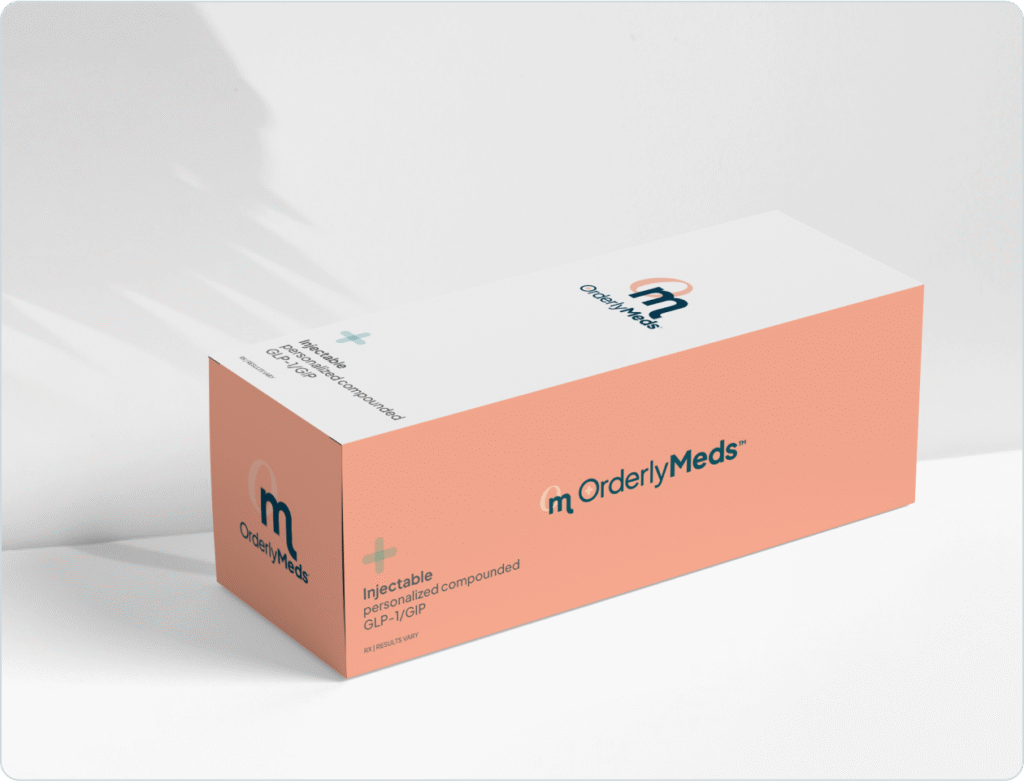
At OrderlyMeds, we make it easier to take that first step to transforming your eating habits. As a 100% online telehealth platform, we connect you with licensed healthcare professionals across all 50 states who can assess your eligibility, recommend personalized treatment plans, and prescribe GLP-1 medications if appropriate, all from the comfort of your home.
Whether you’re considering compounded semaglutide, compounded tirzepatide, or branded options like Wegovy and Zepbound, we provide access to a range of treatments tailored to your individual needs and health profile.
What sets us apart is our commitment to long-term success rather than quick fixes. Our program provides medically supervised care built around safety, ongoing support, and sustainable lifestyle change. You’ll have continuous access to medical professionals who can adjust your dosage, answer questions, and ensure your progress stays on track.
With our partnership with BetterHelp, you receive not just physical guidance but also emotional and mental health support, providing the foundation you need to improve your emotional eating patterns and build a healthier relationship with food.
Check Your Eligibility with OrderlyMeds →
Frequently Asked Questions (FAQs)
What happens to your body when you start taking GLP-1?
When you begin GLP-1 treatment, you’ll likely notice reduced hunger within the first few days as the medication starts regulating your appetite hormones. Many people report feeling satisfied with smaller portions and experiencing fewer food cravings, particularly for high-carbohydrate and high-fat foods.
How does GLP-1 help mental health?
GLP-1 medications can positively impact mental health through both direct and indirect mechanisms. Research indicates that GLP-1 receptors are distributed throughout the brain, including regions associated with mood regulation and reward processing.
By activating these receptors, the medications may directly affect neurotransmitter systems involved in emotional well-being.
Are there specific foods I should avoid while taking GLP-1?
While there are no strict food prohibitions with GLP-1 medications, many patients find that specific adjustments help optimize results and minimize digestive discomfort.
High-fat meals may increase the likelihood of nausea due to the already slowed gastric emptying from the medication. Similarly, significant portions can sometimes trigger discomfort as your stomach adjusts to the new digestive pace.
Can OrderlyMeds create a GLP-1 treatment plan for me?
Yes, at OrderlyMeds, we specialize in creating personalized GLP-1 treatment plans that address your unique needs. Our comprehensive approach includes a thorough assessment of your eating patterns and medical history. We offer ongoing support and monitoring to ensure optimal results, with adjustments made as needed based on your response and progress.
*Disclaimer: This article is for informational purposes only and does not constitute medical advice. OrderlyMeds provides compounded medications that have not been reviewed by the FDA for safety, efficacy, or quality. Always consult a licensed healthcare provider before starting any medication. Individual results vary, and medication should be used alongside healthy lifestyle practices.