

Key Takeaways
- GLP-1 medications generally have a strong safety profile, but long-term data is still limited. Most evidence shows they are safe over several years, though research beyond 5+ years is still evolving.
- Common side effects are mostly digestive and temporary. Nausea, vomiting, and bloating are the most frequent issues, especially early on or during dose increases, and usually improve over time.
- Serious risks are rare but worth monitoring. These include gallbladder issues and pancreatitis, while current human data does not show a clear link to thyroid cancer despite earlier concerns.
- Long-term success depends on proper management. Working with a provider, eating well, staying hydrated, and maintaining protein intake and exercise can reduce side effects and help preserve muscle during weight loss.
- OrderlyMeds provides medically supervised GLP-1 and GLP-1/GIP treatment with ongoing provider access, personalized dosing, and nutrition support.
What Science Currently Tells Us About Long-term GLP-1 Use & Side Effects
GLP-1 receptor agonists like semaglutide and tirzepatide (a dual GLP-1/GIP agonist) have been used to treat type 2 diabetes for roughly two decades, and their FDA-approved role in weight management has expanded significantly in recent years. With millions of patients now using these medications for extended periods, questions about long-term safety are both reasonable and expected.
The short answer: most side effects are gastrointestinal, mild to moderate, and often temporary. Rare but serious concerns such as gallbladder disease and pancreatitis have been documented, though overall, the safety profile has been favorable in clinical trials spanning several years.
That said, GLP-1 medications are relatively new for weight management, and long-term data beyond five years remains limited. Working with a healthcare provider is the best way to monitor for emerging issues.
OrderlyMeds: Medically-Supervised GLP-1 Weight Loss Made Accessible
Meaningful Results in Your First 3 Months | 4.9★ Google Rating

Sustainable Weight Loss with Expert Support:
Access compounded semaglutide or tirzepatide through telehealth—significantly more affordable than branded alternatives. Join 100,000+ patients who’ve collectively lost over 2 million pounds with ongoing medical guidance and personalized dosing.
Your Complete Care Package Includes:
✓ $224 for a 3-month starter plan (compounded semaglutide)
✓ Unlimited provider access with personalized dosing adjustments
✓ $3,700 value in nutrition resources, expert webinars, and community support
✓ Direct-to-home delivery with optional mental health support
Real medical care. Real results. Real support every step of your journey.
Common Long-Term Gastrointestinal Side Effects of GLP-1
Gastrointestinal symptoms are the most frequently reported side effects of GLP-1 therapy. These include nausea, vomiting, diarrhea, and constipation. A multidisciplinary expert consensus published in the Journal of Clinical Medicine confirmed that nausea is consistently the most common complaint across phase III clinical trials for both diabetes and obesity indications.
These side effects tend to be more pronounced at the start of treatment and during dose escalation. For most patients, intensity decreases over time as the body adjusts. Side effect rates also tend to be slightly higher in obesity trials, likely because these protocols use higher medication doses than diabetes-focused studies.
Some patients experience persistent gastrointestinal discomfort even after the adjustment period. In those cases, dosing flexibility and dietary modifications can help. Providers may slow the dose increase schedule or temporarily reduce the dose until symptoms stabilize. Severe or unrelenting symptoms should always be discussed with a healthcare provider, as they can sometimes indicate a more serious condition like gastroparesis or bowel obstruction.

Gallbladder & Biliary Concerns Due to GLP-1
One of the more documented long-term risks involves gallbladder complications. A systematic review and meta-analysis published in JAMA Internal Medicine analyzed 76 randomized controlled trials and found that GLP-1 receptor agonist use was associated with a higher relative risk of gallbladder or biliary disease compared to non-users. This risk increased at higher doses and with treatment lasting longer than 26 weeks.
The primary mechanism appears to be tied to rapid weight loss rather than the medication itself. When weight drops quickly, the liver secretes more cholesterol into bile, and the gallbladder contracts less frequently due to reduced food intake. This combination can promote gallstone formation.
However, research published in Therapeutic Advances in Endocrinology and Metabolism notes that reduced gallbladder motility induced by GLP-1 receptor activation may also play a role, suggesting that the relationship is more complex than weight loss alone.
Patients can reduce their risk by maintaining steady hydration, eating regularly (even if portions are smaller), and reporting any severe right-sided abdominal pain, fever, or jaundice to a provider right away.
Can GLP-1 Cause Pancreatitis: What The Data Shows
Early concern about GLP-1 medications and pancreatitis prompted extensive investigation. A comprehensive review spanning 30 trials concluded that the risk of acute pancreatitis associated with GLP-1 receptor agonists is generally low.
The FDA prescribing information for semaglutide and tirzepatide includes pancreatitis as a potential adverse event, but clinical trial data have not shown a significant increase in incidence compared to placebo.
Patients with a history of acute or chronic pancreatitis should discuss this with their prescriber before starting GLP-1 or GLP-1/GIP therapy, as these medications may not be appropriate in those cases.
Symptoms to watch for include persistent, severe abdominal pain that radiates to the back, often accompanied by nausea and vomiting. If these symptoms occur, patients should stop the medication and seek immediate medical attention.
GLP-1 & Thyroid Cancer: Rodent Data vs. Human Evidence
GLP-1 medications carry an FDA boxed warning about the risk of medullary thyroid carcinoma (MTC), based on preclinical studies in which rodents developed thyroid C-cell tumors. This has understandably raised concern among patients.
However, the evidence in humans tells a different story. A large multisite cohort study published in Thyroid examined data from six population-based databases across Canada, Denmark, Norway, South Korea, Sweden, and Taiwan. It found no evidence that GLP-1 receptor agonist use was associated with an increased risk of thyroid cancer, with follow-up ranging from 1.8 to 3.0 years.
The biological reason for the discrepancy appears to be species-specific. Rodent thyroid C-cells express significantly higher levels of GLP-1 receptors than human C-cells. As the Clayman Thyroid Center in Tampa, Florida, has noted, no consistent, clinically meaningful calcitonin elevation (a marker of C-cell activity) has been established in humans taking GLP-1 medications.
The boxed warning remains in place, and patients with a personal or family history of MTC or Multiple Endocrine Neoplasia type 2 (MEN2) should not use GLP-1 or GLP-1/GIP medications. For all other patients, this concern should be discussed with a provider, but it should be understood in the context of available human data.
Lean Muscle Mass Loss During GLP-1 Treatment
Weight loss from any method typically involves some degree of lean tissue reduction alongside fat loss. A widely cited rule in body composition research holds that approximately 25% of the weight lost during caloric restriction comes from fat-free mass, with the remaining 75% from fat. GLP-1 therapy follows a comparable pattern, with lean body mass accounting for approximately 15%–40% of total weight loss in clinical studies.
A Grand Rounds presentation by Mass General Brigham researchers emphasized that GLP-1 medications do not appear to cause a greater lean mass loss than other weight-loss methods. The concern is valid, but the data suggest this is a feature of significant weight loss in general, not a GLP-1-specific problem.
That said, preserving muscle matters for metabolism, bone health, and long-term functional strength. Patients can take practical steps to protect lean mass during treatment.
How to Preserve Muscle on GLP-1 Therapy
Prioritize protein to preserve muscle even on GLP-1 Therapy. Research presented at ENDO 2025 found that higher protein intake helped protect against muscle loss in patients taking semaglutide. Aim for 0.8 to 1.2 grams of protein per pound of lean body mass daily, spread across meals.
Also, incorporate resistance training. Even modest strength training, two to three times per week, sends powerful signals to preserve muscle. A PMC-published case series showed that patients who combined GLP-1/GIP therapy with regular resistance exercise and high protein intake maintained or even gained lean tissue, with over 91.2% of weight loss in one patient coming from fat mass rather than lean tissue.
Stay active in general. Walking, yoga, or other forms of regular movement support overall health and can complement resistance training to minimize muscle decline.

Safety Tips for Long-term GLP-1 Use
Managing side effects and staying safe on long-term GLP-1 therapy comes down to consistent habits and open communication with your provider.
- Start low and go slow. Gradual dose escalation gives the body time to adjust and significantly reduces gastrointestinal symptoms. Avoid skipping steps in the titration schedule.
- Eat smaller, more frequent meals. GLP-1 medications slow stomach emptying, so large meals can trigger nausea and bloating. Eating past the point of fullness is a common trigger for discomfort.
- Stay hydrated. PCOM researchers note that patients should consume at least two liters of water daily while on GLP-1 or GLP-1/GIP medications. Dehydration worsens side effects like constipation and can harm kidney function.
- Limit fatty, fried, and spicy foods. These are common triggers for nausea and digestive discomfort, particularly around injection days.
- Tell your provider about any surgeries. Because GLP-1 medications delay gastric emptying, patients may need to pause treatment before procedures involving general anesthesia.
- Keep all follow-up appointments. Ongoing monitoring helps catch potential issues like gallbladder problems or excessive weight loss early, when they are most treatable.
Getting Medically Supervised GLP-1 Care Through OrderlyMeds
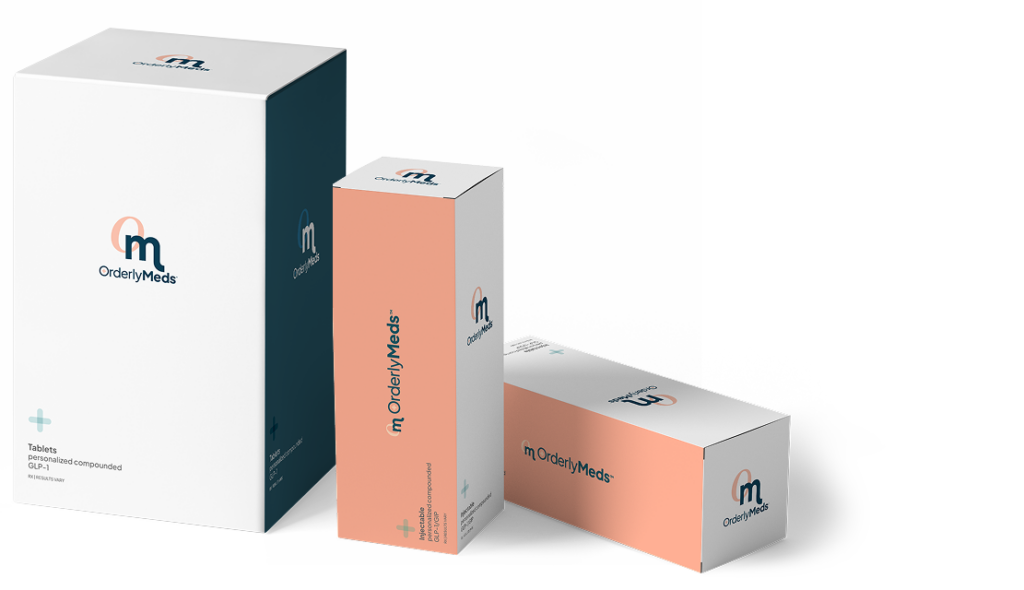
At OrderlyMeds, we built our program on the belief that safe, effective GLP-1 treatment requires more than a prescription. We provide ongoing access to licensed providers who personalize dosing, monitor progress, and adjust plans to support long-term safety. We offer compounded semaglutide and tirzepatide through telehealth, including consultation, medication, supplies, and home delivery.
Note that these compounded medications are not the same as branded medications like Wegovy or Zepbound; they are prepared by licensed compounding pharmacies and provided under full medical supervision. We also provide nutrition resources, dietitian-created meal plans, and a community of over 100,000 patients to support lasting results.
Check your eligibility for GLP-1 today.
Frequently Asked Questions (FAQs)
Do GLP-1 side effects go away over time?
Most gastrointestinal side effects, like nausea and diarrhea, improve within the first few weeks of treatment as the body adjusts. Starting at a low dose and gradually increasing helps minimize discomfort during the adjustment period.
Can GLP-1 medications cause permanent damage?
Serious complications like pancreatitis and gallbladder disease are rare and are typically treatable when caught early. There is no strong evidence of permanent organ damage from GLP-1 use in patients who are monitored appropriately by a healthcare provider.
Is it safe to take GLP-1 medications for years?
Current clinical trial data extending up to five years have not revealed major new safety concerns for long-term GLP-1 use. Patients should maintain regular provider check-ins to monitor for any emerging issues and adjust treatment as needed.
What happens when you stop taking a GLP-1?
Clinical trial data show that after stopping GLP-1 therapy, patients tend to regain roughly two-thirds of lost weight within one year. Appetite and cravings typically return, making lifestyle habits and provider guidance critical during any transition off medication.
What makes OrderlyMeds different from other GLP-1 providers?
OrderlyMeds pairs compounded semaglutide and tirzepatide (GLP-1/GIP) prescriptions with unlimited provider access, personalized dosing, nutrition support, and a patient community.
*Disclaimer: This article is for informational purposes only and does not constitute medical advice. OrderlyMeds provides compounded medications that have not been reviewed by the FDA for safety, efficacy, or quality. Always consult a licensed healthcare provider before starting any medication. Individual results vary, and medication should be used alongside healthy lifestyle practices.