
Key Takeaways
- Insurance coverage for GLP-1 weight-loss medications is limited and inconsistent, with most plans excluding them for weight management while commonly covering the same drugs for type 2 diabetes instead.
- Costs vary widely depending on coverage status, ranging from as low as $25 per month with insurance savings cards to about $1,349.02 per month for Wegovy or around $1,086 per month for Zepbound without coverage, while self-pay and compounded options can significantly lower monthly expenses.
- Prior authorization is almost always required when coverage is available, typically involving BMI thresholds, documented weight-loss attempts, medical necessity letters, and sometimes step therapy or re-authorization after 6 to 12 months.
- When insurance denies coverage, alternatives such as appeals, manufacturer savings programs, and compounded GLP-1 medications offer more accessible pathways, though compounded versions bypass insurance approval and require provider guidance.
- OrderlyMeds offers compounded semaglutide and tirzepatide (GLP-1/GIP) plans, with no insurance required, plus telehealth consultations and ongoing access to providers.
Why GLP-1 Insurance Coverage for Weight Loss Is So Complicated
Getting insurance to cover a GLP-1 medication for weight loss is one of the biggest hurdles patients face when starting treatment. Despite the growing body of evidence supporting these medications, most insurance plans either exclude them entirely for weight management or place significant restrictions on access. The result is that millions of people who could benefit from GLP-1 therapy end up paying out of pocket or going without.
This article breaks down what insurance actually covers for GLP-1 weight-loss medications, what the typical costs are with and without coverage, the prior authorization requirements most insurers impose, and the alternatives available to patients who cannot secure insurance approval.
OrderlyMeds: Medically-Supervised GLP-1 Weight Loss Made Accessible
Meaningful Results in Your First 3 Months | 4.9★ Google Rating

Sustainable Weight Loss with Expert Support:
Access compounded semaglutide or tirzepatide through telehealth—significantly more affordable than branded alternatives. Join 100,000+ patients who’ve collectively lost over 2 million pounds with ongoing medical guidance and personalized dosing.
Your Complete Care Package Includes:
✓ $224 for a 3-month starter plan (compounded semaglutide)
✓ Unlimited provider access with personalized dosing adjustments
✓ $3,700 value in nutrition resources, expert webinars, and community support
✓ Direct-to-home delivery with optional mental health support
Real medical care. Real results. Real support every step of your journey.
How Insurance Plans Handle GLP-1 Weight Loss Coverage
Insurance coverage for GLP-1 medications depends heavily on the condition for which they are prescribed. When prescribed for type 2 diabetes, medications like Ozempic (semaglutide) and Mounjaro (tirzepatide) are generally covered by most commercial plans. Coverage becomes far more limited when the same class of drugs, Wegovy (semaglutide) and Zepbound (tirzepatide), is prescribed for chronic weight management.
According to research from the Peterson Center on Healthcare and KFF, about 19% of companies with 200 or more workers covered GLP-1 drugs for weight loss in their largest health plan in 2025. Larger firms were more likely to offer this benefit, with 43% of companies with 5,000 or more employees providing coverage. Still, the majority of employer-sponsored plans do not cover weight-loss medications.
Even among plans that do offer coverage, restrictions are common. Over 88% of patients with some form of commercial coverage for weight-loss GLP-1s still face requirements such as prior authorization, step therapy, or a requirement to document participation in a weight management program before they can fill a prescription.
Medicare and Medicaid Coverage
Medicare Part D does not cover GLP-1 medications prescribed for weight loss. It does cover them for approved conditions, such as type 2 diabetes and cardiovascular risk reduction. In November 2025, the federal government announced pricing agreements with Eli Lilly and Novo Nordisk to expand access and lower costs for Medicare and Medicaid beneficiaries, but these initiatives are still being implemented.
On the Medicaid side, coverage for GLP-1s for obesity treatment is optional for states. As of January 2026, only 13 state Medicaid programs cover GLP-1 medications for obesity, and several states have recently pulled back coverage due to budget pressures.

GLP-1 Cost Breakdown: With and Without Insurance
Branded Wegovy carries a list price of $1,349.02 per month for a 28-day supply of the injection, regardless of dose. Branded Zepbound lists at around $1,086 per month. For patients with commercial insurance that covers these drugs, manufacturer savings cards can bring the cost down to as low as $25 per month. For patients with commercial insurance that does not cover Zepbound, Eli Lilly’s savings card can cap costs at $499 per month.
For those without any insurance coverage, both Novo Nordisk and Eli Lilly have introduced self-pay programs with meaningfully lower prices. Wegovy injections are available through NovoCare Pharmacy at a standard self-pay price of $349 per month, regardless of the number of doses. New self-pay patients may also qualify for a limited-time introductory offer of $199 per month, applicable only to the first two monthly fills of 0.25 mg and 0.5 mg starter doses, and only through March 31, 2026.
A newly approved oral Wegovy pill, launched in January 2026, costs $149 to $299 per month, depending on the dose. On the Zepbound side, Eli Lilly reduced LillyDirect self-pay vial prices in December 2025 to $299 per month for the 2.5 mg starting dose, $399 for the 5 mg dose, and $449 for all higher doses through the Zepbound Self Pay Journey Program.
Compounded GLP-1 medications offer another option at a lower price point. These are personalized versions of the same active ingredients, prepared by licensed compounding pharmacies. We at OrderlyMeds, for example, offer compounded semaglutide starting at approximately $74 per month with our 3-month starter plan ($224 total), and compounded tirzepatide (GLP-1/GIP) starting at $149 per month ($449 total for 3 months). Standard monthly rates are $149 for compounded semaglutide and $299 for compounded tirzepatide.
Prior Authorization Requirements for GLP-1 Weight Loss Drugs
For patients whose insurance does cover GLP-1 weight-loss medications, prior authorization is almost always required. This means your healthcare provider must submit documentation to your insurer proving the prescription is medically necessary before the plan will approve payment.
Typical Eligibility Criteria
Most insurers follow similar baseline criteria for approving GLP-1 medications for weight management:
- A BMI of 30 or higher (classified as obesity), or a BMI of 27 or higher with at least one weight-related comorbidity such as hypertension, type 2 diabetes, high cholesterol, or obstructive sleep apnea.
- Documentation of previous weight loss attempts, including participation in a structured diet, exercise, or behavioral counseling program.
- A letter of medical necessity from the prescribing provider.
- Recent lab work and weight history records support the clinical need for medication.
Some plans also impose step therapy requirements, meaning you must try and fail on a lower-cost weight management drug before a GLP-1 will be approved. Others may limit coverage duration, requiring re-authorization after 6 to 12 months with proof of continued progress.
What to Do if You Are Denied
If your prior authorization is denied, you have the right to appeal. Start by reviewing the denial letter to identify the specific criteria you did not meet, then work with your provider to submit updated documentation. Requesting a peer-to-peer review between your doctor and the plan’s medical director can also help move the process forward.

Compounded GLP-1s: An Alternative When Insurance Falls Short
For many patients who cannot obtain insurance coverage for branded GLP-1 medications, compounded options offer an accessible path forward. Compounded GLP-1 medications use the same active ingredients (semaglutide or tirzepatide) but are prepared by licensed compounding pharmacies, often at a fraction of the branded cost. These medications do not require insurance approval, which removes the prior authorization barrier entirely.
It is important to note that compounded medications have not been reviewed by the FDA for safety, efficacy, or quality in the same way as branded drugs. Patients should consult a licensed healthcare provider to determine whether a compounded preparation is appropriate for their needs.
How OrderlyMeds Makes GLP-1 Treatment Accessible Without Insurance
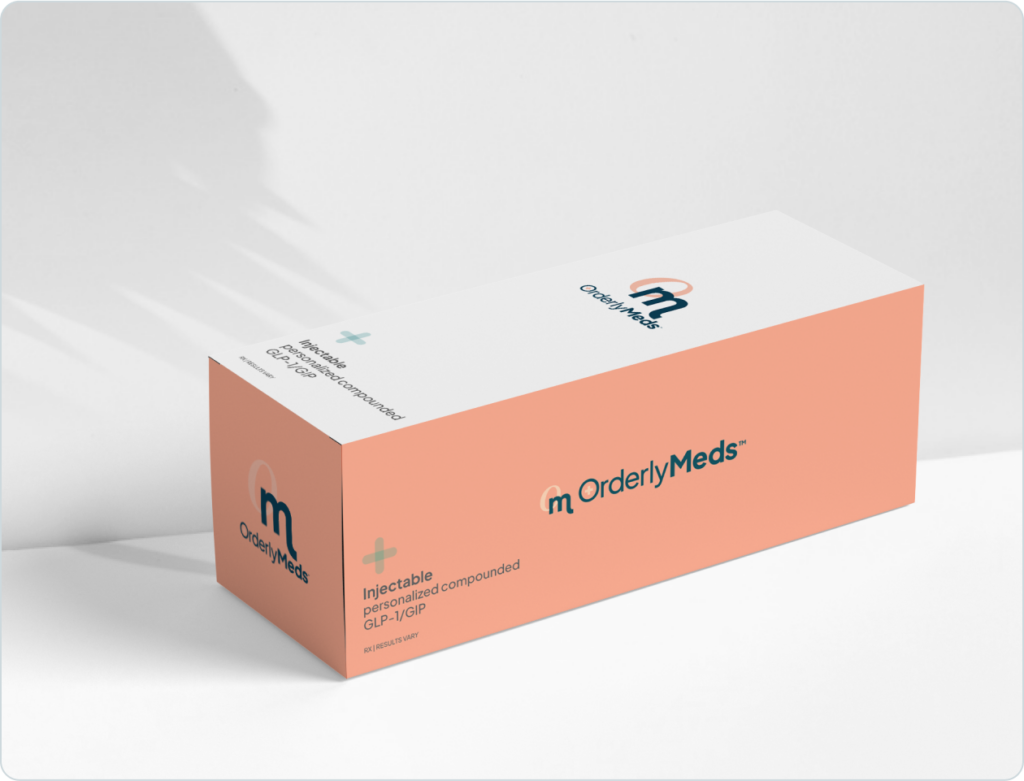
We built OrderlyMeds on the understanding that insurance coverage for GLP-1 weight-loss medications is unreliable for most patients. Our telehealth platform provides access to compounded semaglutide and compounded tirzepatide (GLP-1/GIP) without requiring insurance, with transparent, all-inclusive pricing that covers your online provider consultation, medication, syringes, and direct-to-home shipping.
Every OrderlyMeds patient receives ongoing access to their provider, not just a one-time prescription. As your body responds and your needs change, our medical team adjusts your care to keep pace. Your medication is compounded to match your health profile and goals, with personalized dosing from the start.
Beyond medication, we believe lasting progress comes from a complete support system. That is why every plan includes over $3,700 in added value through expert-led webinars, dietitian meal plans, a fitness app, science-backed guides, and an optional mental health partnership with BetterHelp. Our private patient community of over 23,700 members on Facebook offers connection and encouragement throughout the journey.
With a 4.9-star Google rating, licensed providers in all 50 states, and a care model built around safety, qualifications, and long-term health improvement, OrderlyMeds is designed for patients seeking medically supervised GLP-1 care that supports real, sustainable change.
Check Your Eligibility with OrderlyMeds →
Frequently Asked Questions (FAQs)
Does health insurance typically cover GLP-1 medications for weight loss?
Most commercial insurance plans restrict or exclude coverage for GLP-1s prescribed specifically for weight loss. Coverage is more common when the medication is prescribed for type 2 diabetes or cardiovascular risk reduction.
What BMI do I need for insurance to approve a GLP-1 prescription?
Most insurers require a BMI of 30 or higher, or 27 or higher, along with a weight-related comorbidity such as high blood pressure, type 2 diabetes, or high cholesterol.
Do insurance plans cover the new oral Wegovy pill for weight loss?
Coverage for the oral Wegovy pill follows the same rules as the injectable version. If your commercial insurance plan covers Wegovy, the pill form should be covered as well. Plans that exclude weight loss medications will likely exclude both forms. Check your plan’s formulary for the most current details.
Can I use an HSA or FSA to pay for GLP-1 medications?
Yes. Health Savings Accounts (HSAs) and Flexible Spending Accounts (FSAs) can generally be used to cover the cost of prescribed GLP-1 medications, including compounded options.
What makes OrderlyMeds different from other GLP-1 providers?
OrderlyMeds offers compounded semaglutide and tirzepatide (GLP-1/GIP) through telehealth with no insurance required. Our plans include personalized dosing, unlimited provider access, direct-to-home delivery, and over $3,700 in wellness resources.
*Disclaimer: This article is for informational purposes only and does not constitute medical advice. OrderlyMeds provides compounded medications that have not been reviewed by the FDA for safety, efficacy, or quality. Always consult a licensed healthcare provider before starting any medication. Individual results vary, and medication should be used alongside healthy lifestyle practices.