

Key Takeaways
- Injectable GLP-1 medications are generally more effective for weight loss than oral forms, with higher absorption rates leading to better appetite control and results.
- Oral semaglutide requires strict dosing on an empty stomach with specific timing restrictions, while injectable forms can be taken any time without food requirements.
- Both forms cause similar side effects, primarily gastrointestinal symptoms like nausea and constipation, though severity can vary between individuals.
- The choice between oral and injectable depends on your comfort with needles, daily routine, weight loss goals, and how consistently you can follow dosing requirements.
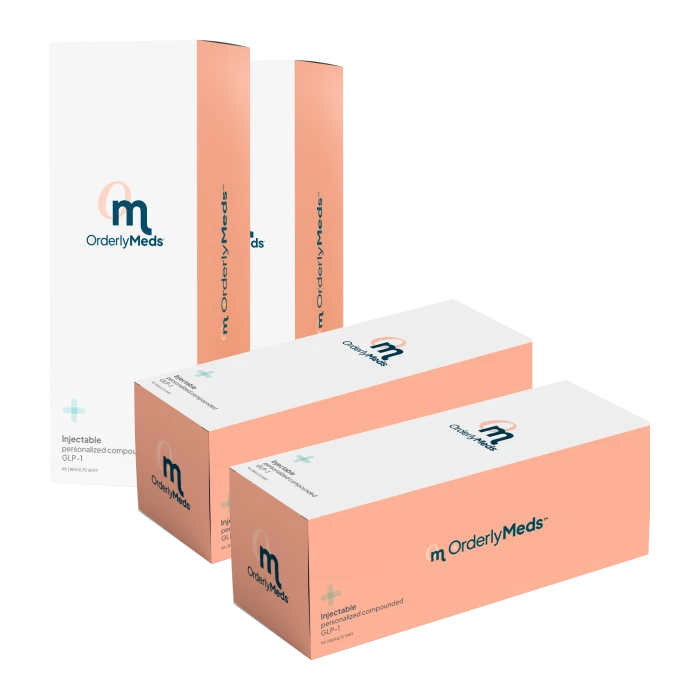
- OrderlyMeds offers injectable compounded semaglutide and tirzepatide, with personalized provider-led care and comprehensive support to help you achieve your weight-loss goals.
Understanding GLP-1 Medications: Oral vs Injectable Options
GLP-1 medications have transformed weight-loss treatment by mimicking a natural gut hormone that regulates appetite and blood sugar levels. While these medications initially came only as injections, creating a barrier for needle-averse patients, the landscape has evolved to include oral alternatives.
Currently available oral options include Rybelsus (oral semaglutide for diabetes), with a new high-dose oral Wegovy pill approved by the FDA in December 2025 for weight loss, scheduled to become available in early 2026.
Injectable options include semaglutide (Ozempic for diabetes, Wegovy for weight loss) and tirzepatide (Mounjaro for diabetes, Zepbound for weight loss), delivered as once-weekly injections with extensive research supporting their effectiveness.
Understanding how each form works helps you make an informed decision about which option aligns best with your lifestyle and goals.
OrderlyMeds: Medically-Supervised GLP-1 Weight Loss Made Accessible
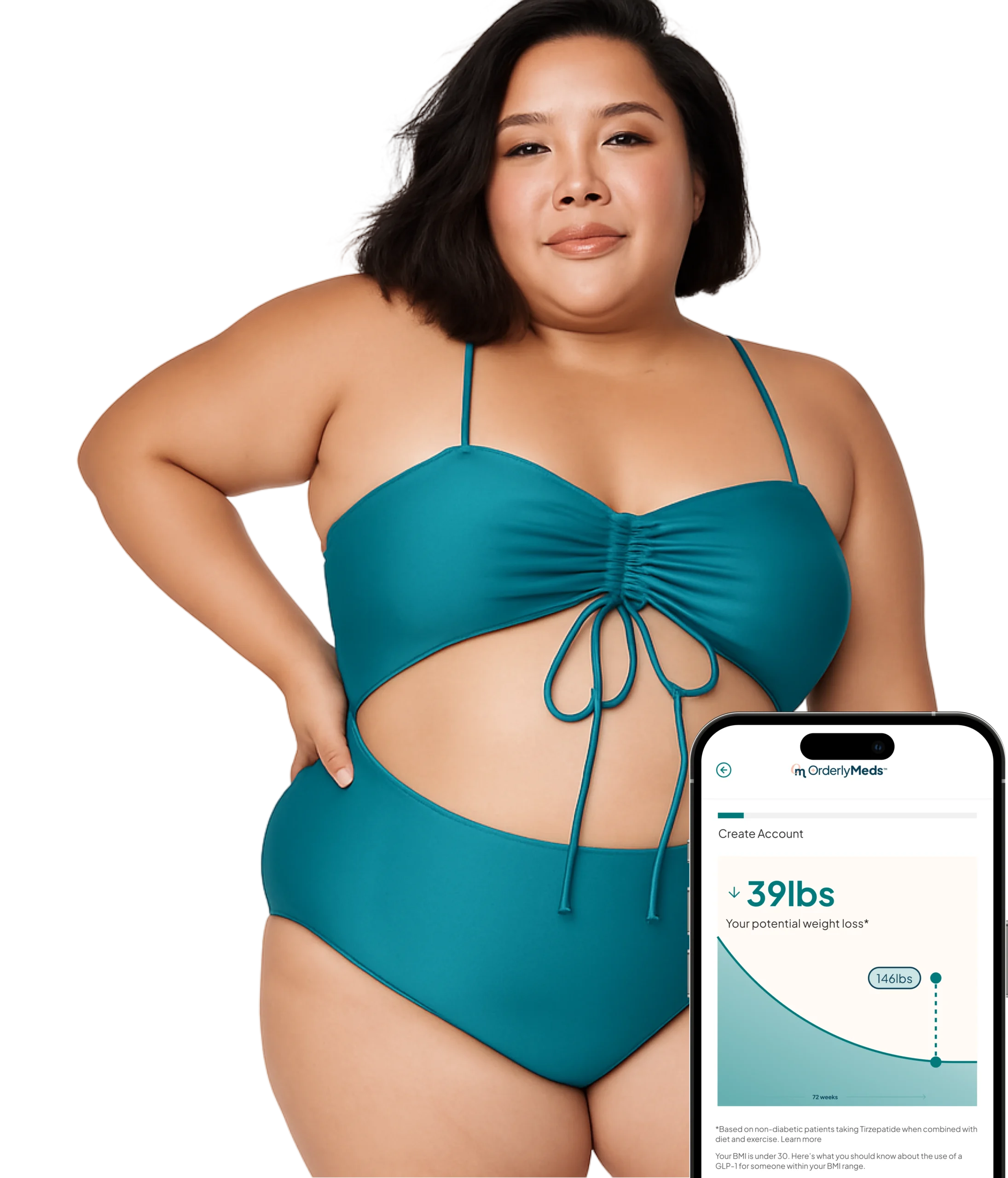
15lbs Average Loss in 3 Months | 4.7★ Google Rating

Sustainable Weight Loss with Expert Support:
Access compounded semaglutide or Tirzepatide through telehealth—significantly more affordable than branded alternatives. Join 100,000+ patients who’ve collectively lost over 2 million pounds with ongoing medical guidance and personalized dosing.
Your Complete Care Package Includes:
✓ $224 for 3-month starter plan (compounded semaglutide)
✓ Unlimited provider access with personalized dosing adjustments
✓ $3,700 value in nutrition resources, expert webinars, and community support
✓ Direct-to-home delivery with optional mental health partnership
Real medical care. Real results. Real support every step of your journey.
How Oral GLP-1 Medications Work
Oral GLP-1 medications contain the same active ingredient as injectable versions, but getting that ingredient into your bloodstream presents unique challenges. Unlike injections that deliver medication directly under the skin, oral medications must survive the harsh environment of your stomach.
The primary obstacle is absorption. Your stomach acid naturally breaks down peptide-based medications like semaglutide, which is why oral forms include a special absorption enhancer called SNAC (sodium N-(8-(2-hydroxybenzoyl)amino)caprylate). This compound raises the pH locally in your stomach, protecting the medication from degradation and helping it pass through the stomach lining into your bloodstream.
Even with this absorption enhancer, oral semaglutide has significantly lower bioavailability than injectable forms.
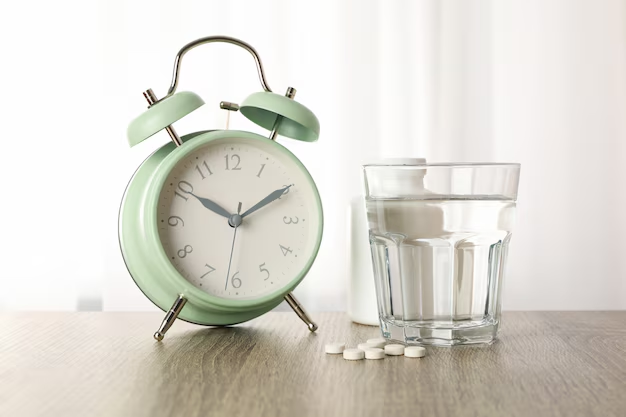
This lower absorption is why oral semaglutide requires daily dosing to maintain therapeutic levels in your body. It also explains why strict dosing instructions are critical. The medication must be taken on an empty stomach with no more than 4 ounces of plain water, and you must wait at least 30 minutes before eating, drinking anything else, or taking other medications.
How Injectable GLP-1 Medications Work
Injectable GLP-1 medications bypass the digestive system entirely, delivering medication directly under the skin where it’s absorbed into the bloodstream. This subcutaneous administration provides consistent, predictable absorption regardless of what you’ve eaten or when you take it.
The injection itself is relatively simple. Using a pre-filled pen, you inject the medication into fatty tissue, typically in your abdomen, thigh, or upper arm. The needles are very thin, and most people find the process quick and minimally uncomfortable once they become familiar with it.
Injectable semaglutide and tirzepatide are formulated to remain active in your body for extended periods, enabling once-weekly dosing. This longer duration of action maintains stable medication levels throughout the week, providing consistent appetite suppression and metabolic benefits.
The higher bioavailability of injectable forms means more of the medication reaches your bloodstream, where it can exert its effects. This translates into stronger appetite suppression and typically more significant weight-loss results than with oral formulations at standard doses.
Comparing Effectiveness: Oral vs Injectable GLP-1
When it comes to weight loss, injectable GLP-1 medications generally demonstrate superior effectiveness compared to oral forms. This difference stems primarily from absorption and bioavailability.
Clinical trials show that injectable semaglutide at the weight-management dose helps people lose substantial weight over time. Injectable tirzepatide delivers even more impressive results thanks to its dual-action GLP-1/GIP mechanism.
Oral semaglutide at standard doses produces more modest weight loss, but new high-dose formulations show promising results that begin to approach injectable outcomes. Research indicates these higher-dose oral options can lead to meaningful weight loss when taken consistently.
It’s worth noting that individual responses vary. Some people achieve excellent results with oral medications, while others require injectable forms to see meaningful progress. Adherence to dosing instructions is crucial, especially with oral forms, where timing and food restrictions significantly affect absorption.
Side Effects: What to Expect with Each Form
Common Side Effects for Both Forms
Nausea is the most frequently reported side effect, particularly when starting treatment or increasing doses. This typically improves over time as your body adjusts. Constipation occurs commonly and can be managed with adequate hydration and fiber intake. Diarrhea, abdominal discomfort, and feeling bloated can also occur, though these symptoms are usually mild to moderate.
Reduced appetite is technically a desired effect rather than a side effect, but the degree of appetite suppression can occasionally feel uncomfortable. Headaches, fatigue, and dizziness may occur, especially in the initial weeks of treatment.
Differences Between Forms
Some research suggests that discontinuation due to side effects may be slightly higher with oral than with injectable forms, though the reasons aren’t entirely clear. This could relate to the daily reminder of side effects with daily oral dosing versus weekly injectable dosing.
The dual-action mechanism of tirzepatide (a GIP/GLP-1 agonist) may help reduce nausea compared with semaglutide alone, as the GIP component appears to moderate gastrointestinal side effects.
Managing Side Effects
Most side effects can be managed with simple strategies.
- Stay well hydrated throughout the day, especially since GLP-1 medications can reduce thirst signals.
- Eat smaller, more frequent meals and avoid high-fat or greasy foods, as these can worsen nausea.
- Increase fiber gradually to prevent constipation.
- Start with the lowest dose and increase slowly as your provider recommends, giving your body time to adjust.
If side effects become severe or interfere with daily life, talk with your provider about adjusting your dose or trying a different formulation.
Convenience & Lifestyle Considerations
Oral GLP-1 Considerations
Taking a pill feels familiar and doesn’t require learning an injection technique. No refrigeration is typically needed for oral medications, making travel easier. There’s no needle anxiety or injection discomfort to manage.
However, the strict dosing requirements can be challenging. You must take the medication first thing in the morning on an empty stomach with only a small amount of plain water. Then you wait at least 30 minutes before eating, drinking anything else, or taking other medications. This timing can conflict with other morning medications or busy morning routines.
The daily dosing requirement means you can’t forget a dose without affecting your medication levels. If you miss the timing window, you skip that day entirely and resume your regular schedule the next morning.
Injectable GLP-1 Considerations
Once-weekly dosing offers significant convenience. You don’t need to think about medication every morning, just once a week on the same day. Injectable forms can be taken at any time of day, with or without food, offering flexibility that oral forms don’t.
You do need to learn proper injection technique, though this is typically straightforward with pre-filled pens. Some people experience initial anxiety about self-injection, though most find it becomes routine quickly. Injectable semaglutide and tirzepatide require refrigeration until first use, which can complicate travel.
The less frequent dosing may help some people adhere better to treatment over time, while others prefer the daily routine of a pill.
Oral vs Injectable GLP-1: Comparison Table
| Factor | Oral GLP-1 | Injectable GLP-1 |
| Dosing Frequency | Daily | Once weekly |
| Food Requirements | Must be taken on an empty stomach with a 30-minute wait before eating | Can take any time with or without food |
| Bioavailability | Less than 1% absorbed | Over 80% absorbed |
| Weight Loss Results | Moderate at standard doses; higher with new high-dose formulations | Generally superior weight loss |
| Needle Required | No | Yes |
| Refrigeration | Typically not required | Required before first use |
| Dosing Complexity | Strict timing and water restrictions | Simple and flexible timing |
| Travel Convenience | Easy to travel with | Requires planning for refrigeration |
| Side Effects | Similar GI side effects; may have slightly higher discontinuation rates | Similar GI side effects |
| Current Availability | Rybelsus (diabetes); high-dose oral Wegovy coming in 2026 | Widely available (semaglutide, tirzepatide) |
| Best For | Those who prefer pill form and can maintain strict morning routines | Those seeking maximum effectiveness with weekly convenience |
Get the Right GLP-1 Treatment with OrderlyMeds

Reaching real weight loss results takes more than deciding between a pill or an injection. It requires personalized guidance that helps you get the most out of your treatment. At OrderlyMeds, we deliver full-spectrum GLP-1 care built around your goals and long-term success.
While we specialize in injectable compounded semaglutide and compounded tirzepatide for their reliable performance and consistent outcomes, we recognize that the right choice depends on individual needs and preferences. These injectable options are chosen for their reliable performance and consistent outcomes. Your care starts with a detailed health screening and provider review, followed by a plan shaped around your medical background, lifestyle, and weight goals. As your body adapts, your provider fine-tunes dosing and support to maintain steady progress.
Costs remain clear and easy to understand, with no insurance needed. A single price includes provider visits, prescribed medication when appropriate, and ongoing care. Membership also unlocks a robust collection of weight-loss tools, including dietitian-created meal plans, evidence-based nutrition guidance, educational webinars, access to fitness apps, mental health support through BetterHelp, and a private member community.
We operate nationwide and work solely with FDA-regulated 503A pharmacies to ensure dependable quality and delivery. Our OrderlyMeds app brings everything together, making it simple to track progress, message your care team, access resources, and manage treatment right from your phone.
Check Your Eligibility with OrderlyMeds →
Frequently Asked Questions (FAQs)
Is oral or injectable GLP-1 better for weight loss?
Injectable GLP-1 medications are generally more effective for weight loss due to significantly higher absorption rates. While oral forms can produce results, injectable semaglutide and tirzepatide typically lead to more substantial weight loss.
The best choice depends on your comfort with injections, your ability to follow strict dosing requirements, and your individual weight-loss goals.
Can I switch from oral to injectable GLP-1 or vice versa?
Yes, you can switch between forms with your provider’s guidance. Your provider will determine the appropriate dose when switching, as the two forms aren’t directly equivalent due to differences in absorption.
Some people start with oral medications and switch to injectable forms if they’re not achieving desired results or find the dosing requirements too challenging.
Do I need to take injectable GLP-1 medications on an empty stomach?
No. Unlike oral GLP-1 medications, injectable forms can be taken at any time of day with or without food. The injection delivers medication directly under the skin, bypassing the digestive system entirely.
This flexibility makes injectable forms more convenient for many people, even though they require a weekly injection.
How does OrderlyMeds support patients using GLP-1 medications?
At OrderlyMeds, we provide personalized care with injectable compounded semaglutide and tirzepatide, offering weekly dosing that’s more convenient than daily oral medications. Your provider monitors your progress and adjusts your treatment as needed.
You also get access to comprehensive resources, including nutrition guidance, fitness support, and mental health services through BetterHelp, all designed to help you succeed on your weight loss journey.
*Disclaimer: This article is for informational purposes only and does not constitute medical advice. OrderlyMeds provides compounded medications not reviewed by the FDA for safety, efficacy, or quality. Always consult a licensed healthcare provider before starting any medication. Individual results vary, and medication should be used alongside healthy lifestyle practices.