

Key Takeaways
- Fatty, greasy, and heavily processed foods can intensify common semaglutide side effects like nausea, bloating, and general stomach discomfort during treatment.
- Reducing your sugar intake and limiting carbonated or sugary drinks helps your body adjust to semaglutide more comfortably throughout your plan.
- A balanced diet centered on lean protein, fiber, and whole foods supports the weight-loss benefits of semaglutide and your overall well-being.
- Eating smaller meals, staying well hydrated, and choosing nutrient-dense plates are simple daily habits that work well alongside your semaglutide prescription.
- OrderlyMeds offers affordable compounded semaglutide paired with telehealth consultations, continuous provider access, and nutrition resources designed to help patients build lasting healthy habits.
How Food Choices Shape Your Semaglutide Experience
Semaglutide is a GLP-1 receptor agonist that mimics a natural hormone that regulates appetite and slows digestion. Because the medication interacts with your gastrointestinal system, what you eat directly affects how you feel during treatment and how effectively it supports your weight loss goals.
Certain foods are more likely to trigger or worsen side effects such as nausea, bloating, and stomach discomfort, particularly in the early weeks of treatment. Adjusting your diet does not mean following a restrictive meal plan. It means making informed choices that help your body respond well to the medication.
The main categories to limit are fried and greasy foods, sugary foods and refined carbs, carbonated and sweetened drinks, and alcohol. Below, you will find the details on each, plus practical nutrition tips to complement your semaglutide prescription.
OrderlyMeds: Medically-Supervised GLP-1 Weight Loss Made Accessible
Meaningful Results in Your First 3 Months | 4.9★ Google Rating

Sustainable Weight Loss with Expert Support:
Access compounded semaglutide or tirzepatide through telehealth—significantly more affordable than branded alternatives. Join 100,000+ patients who’ve collectively lost over 2 million pounds with ongoing medical guidance and personalized dosing.
Your Complete Care Package Includes:
✓ $224 for a 3-month starter plan (compounded semaglutide)
✓ Unlimited provider access with personalized dosing adjustments
✓ $3,700 value in nutrition resources, expert webinars, and community support
✓ Direct-to-home delivery with optional mental health support
Real medical care. Real results. Real support every step of your journey.
Foods to Limit or Avoid While Taking Semaglutide
High-Fat & Greasy Foods
Fried foods, fast food, heavy cream sauces, and greasy dishes are among the most common triggers for digestive discomfort on semaglutide. Because the medication slows gastric emptying, high-fat meals sit in your stomach for longer than usual. This can lead to intense nausea, bloating, cramping, and even vomiting in some patients.
Swapping fried options for baked, grilled, or steamed alternatives can make a noticeable difference in how you feel. Choosing grilled chicken over fried chicken or baked sweet potato wedges over deep-fried versions reduces fat content while still providing a satisfying meal.
Fatty cuts of red meat, full-fat cheese in large quantities, and butter-heavy cooking should also be scaled back, especially during the first few months of treatment as your body adjusts to the medication.
Sugary Foods & Refined Carbohydrates
Foods high in added sugar, such as candy, pastries, sweetened cereals, and white bread, can cause rapid spikes in blood sugar followed by crashes. On semaglutide, these swings may feel more pronounced and can contribute to fatigue, cravings, and nausea.
Refined carbohydrates are also low in nutritional value, filling you up temporarily without providing the vitamins, minerals, or fiber your body needs during weight loss. Replacing refined grains with whole grains like brown rice, quinoa, oats, or whole wheat bread gives you more sustained energy and better digestive comfort. Fruit is a good alternative to processed sweets because it provides natural sugar alongside fiber and micronutrients.
Carbonated & Sugary Beverages
Sodas, sparkling water, energy drinks, and sweetened coffee drinks can increase bloating and gas while on semaglutide. The carbonation introduces extra air into your stomach, which amplifies feelings of fullness and discomfort, given that the medication already slows digestion.
Sweetened beverages also add empty calories that counter your weight-loss efforts. Flat water, herbal teas, and water infused with fresh fruit or cucumber are better choices that keep you hydrated without the unwanted side effects. If you rely on coffee, consider drinking it black or with a small splash of milk rather than ordering blended, sugar-heavy specialty drinks.
Alcohol
Alcohol can irritate the stomach lining and increase the risk of nausea while taking semaglutide. It also lowers inhibitions around food choices, making it easier to overeat or reach for less nutritious options late at night. Some patients report that their tolerance for alcohol decreases while on GLP-1 medications, meaning smaller amounts may produce stronger effects than expected.
If you do choose to drink, doing so in moderation and alongside food can help minimize discomfort. Speak with your prescribing provider about how alcohol fits into your specific treatment plan, as recommendations may vary depending on your health history and current dosage.

Diet & Nutrition Tips That Support Your Semaglutide Treatment
Prioritize Lean Protein & Fiber
Protein helps preserve muscle mass during weight loss and keeps you feeling full between meals. Lean options like chicken breast, turkey, fish, eggs, tofu, and legumes are generally gentle on the stomach and pair well with semaglutide.
Fiber-rich vegetables, fruits, and whole grains support healthy digestion and help regulate blood sugar. Aim to include a source of protein and a source of fiber at each meal for the best balance of satiety and nutrition. Good fiber options include broccoli, leafy greens, berries, lentils, and sweet potatoes. Increasing fiber gradually, rather than all at once, helps prevent additional bloating.
Stay Hydrated Throughout the Day
Proper hydration is especially relevant while taking semaglutide because the medication can slow digestion and, in some cases, reduce your natural thirst cues. Dehydration can worsen constipation, headaches, and fatigue, all of which are possible side effects during treatment.
Sipping water consistently throughout the day, rather than drinking large amounts at once, helps your body absorb fluids more effectively. Keeping a water bottle nearby and setting reminders on your phone can help if you tend to forget. Broth-based soups and water-rich foods like watermelon and cucumber also contribute to your daily fluid intake.

Eat Smaller, More Frequent Meals
Large meals are harder for your body to process while on semaglutide. Eating three smaller main meals with one or two light snacks in between keeps your energy stable and reduces the likelihood of nausea or uncomfortable fullness.
Focus on balanced plates: about half vegetables, a quarter lean protein, and a quarter complex carbohydrates. This approach gives you steady nutrition without overwhelming your digestive system. Eating slowly and chewing thoroughly also helps, as it gives your brain time to register fullness before you overeat.
Plan Your Meals in Advance
Meal planning removes the guesswork from healthy eating and helps you avoid last-minute choices that may not support your goals. Preparing meals or ingredients in advance makes it easier to stick to foods that complement your treatment.
Batch-cooking proteins, pre-washing and chopping vegetables, and portioning snacks at the start of each week are small steps that create consistency. Many patients find that having a weekly plan reduces stress around food decisions and helps them stay on track throughout their semaglutide program. Simple prep work on a Sunday afternoon can set the tone for an entire week of balanced eating.
How OrderlyMeds Supports Your Semaglutide Diet & Weight Loss Goals
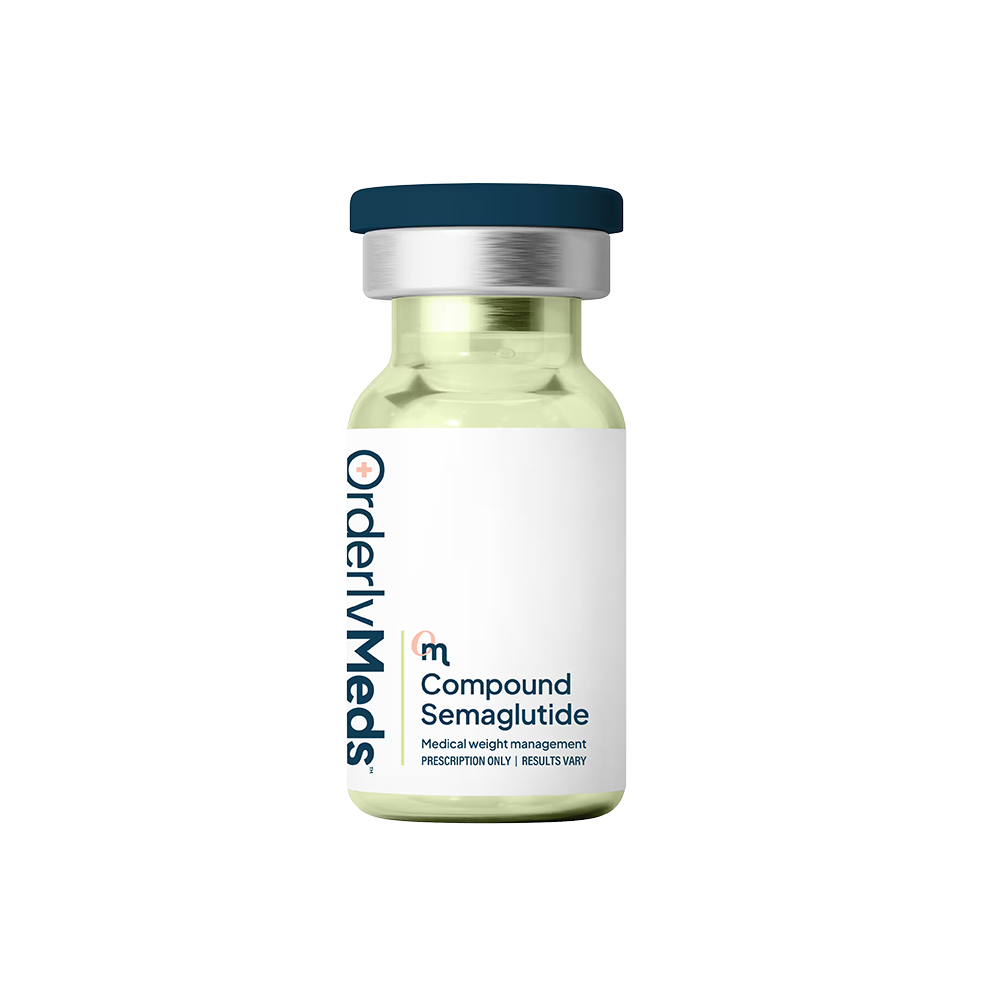
OrderlyMeds was built around the understanding that semaglutide is one part of a larger health picture. Medication works best alongside thoughtful nutrition, consistent hydration, and sustainable daily habits. That is why we designed our programs to support patients beyond the prescription itself.
We offer compounded semaglutide through a telehealth model, making medically supervised weight loss both accessible and affordable. Our all-inclusive plans cover provider consultations, medication, syringes, and shipping with no hidden fees or membership costs, so patients can focus on building healthier routines without worrying about surprise charges.
Every OrderlyMeds prescription includes personalized dosing adjustments and unlimited access to providers through secure messaging. This means you can ask questions about diet changes, side effect management, and meal planning at any point during treatment. We also provide nutrition guidance, expert-led webinars, community support with 22,000+ members in our private GLP-1 patient group, and an optional BetterHelp mental health partnership.
Weight loss progress looks different for every person, and both fast and gradual results are valid. Our team at OrderlyMeds provides the medical care, education, and encouragement that help you make informed choices at the table and throughout your day.
Check Your Eligibility with OrderlyMeds →
Frequently Asked Questions (FAQs)
Can I eat fruit while taking semaglutide?
Yes. Whole fruits provide fiber, vitamins, and natural sugars that are generally well tolerated on semaglutide. Choose whole fruits over fruit juices, which contain more concentrated sugar and less fiber.
How soon after starting semaglutide should I adjust my diet?
Making small dietary changes from the beginning of treatment can help reduce side effects. Many patients find that cutting back on greasy and sugary foods during the first few weeks makes the transition much more comfortable.
Will semaglutide still help if I don’t change my diet?
Semaglutide reduces appetite on its own, but pairing it with a balanced, nutrient-dense diet supports better outcomes and helps maintain results over time. Your provider can guide you on the best approach for your situation.
Is there a specific diet I need to follow on semaglutide?
No single diet is required. A general focus on lean proteins, vegetables, whole grains, and plenty of water works well for most patients. Your healthcare provider can help adjust recommendations based on your individual needs and health history.
What makes OrderlyMeds different from other providers of semaglutide?
OrderlyMeds combines affordable compounded semaglutide with ongoing telehealth support, personalized dosing, nutrition resources, and a private patient community of 22,000+ members. Our holistic approach means patients receive medical care and lifestyle guidance together in one program.
*Disclaimer: This article is for informational purposes only and does not constitute medical advice. OrderlyMeds provides compounded medications that have not been reviewed by the FDA for safety, efficacy, or quality. Always consult a licensed healthcare provider before starting any medication. Individual results vary, and medication should be used alongside healthy lifestyle practices.