
If you’ve struggled to reach and maintain a healthier weight, it may be time to consider medications like Zepbound and Wegovy. When paired with a nutritious diet and regular exercise, these medications can help patients control their weight.
Before you visit your doctor or contact a telehealth provider, it’s important to know which option might be a better fit for you. In this guide, we compare the key differences between Zepbound and Wegovy to help you make an informed decision about your weight management journey.
What Is Zepbound?
Zepbound is an injectable prescription medication containing tirzepatide. It targets two hormone receptors, glucose-dependent insulinotropic polypeptide (GIP) and glucagon-like peptide-1 (GLP-1), to help reduce appetite and food intake. It’s not a cosmetic weight loss solution but is FDA-approved for chronic weight management. When paired with diet and exercise changes, Zepbound is intended to help obese and overweight adults experiencing weight-related health issues lose excess weight and keep it off.
What Is Wegovy?
Wegovy is an injectable medication that contains semaglutide as the primary ingredient. Wegovy is FDA-approved for chronic weight management and is intended for patients with obesity or who are overweight with weight-related medical problems.
The Key Differences Between Zepbound and Wegovy
Since Wegovy and Zepbound both help obese or overweight adults manage and maintain weight loss, how do you know which one is better? It all boils down to your personal goals and preferences. Understanding the differences in Zepbound versus Wegovy when it comes to use cases, side effects, potential results, and cost can help inform your decision.
Weight Loss Results
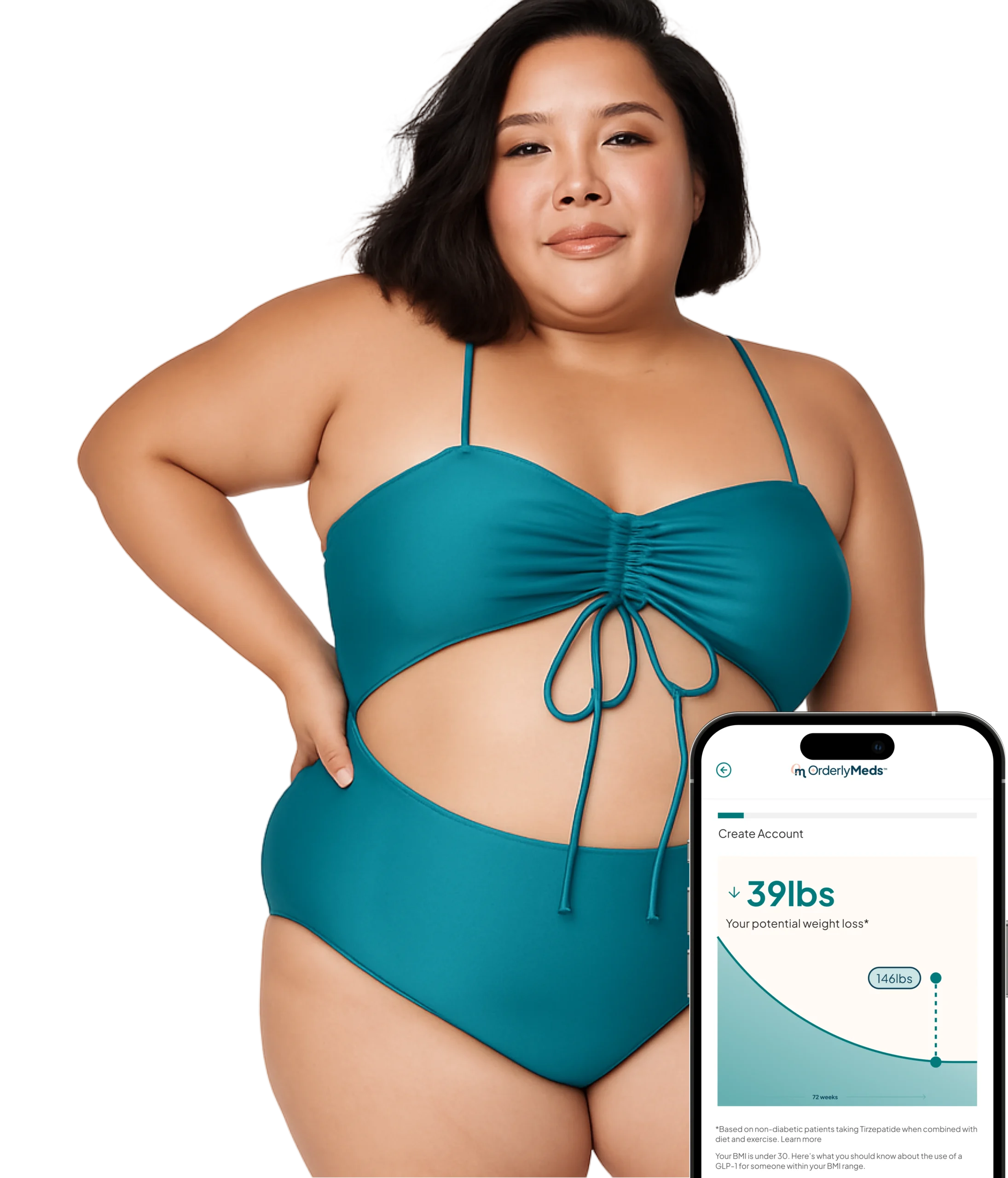
Wegovy and Zepbound can both help you manage your weight, but studies have shown that Zepbound may be more effective. In a recent clinical trial, Zepbound proved a 47% greater relative weight loss compared to Wegovy. At 72 weeks, participants on Zepbound experienced an average weight loss of 20.2% compared to 13.7% for those on Wegovy. It’s important to note that your personal results will vary.
Side Effects
Like any medication, Wegovy and Zepbound come with potential side effects. Both medications have similar side effects, including diarrhea, constipation, nausea, stomach pains, and vomiting. However, some people find that they can tolerate Wegovy side effects better than Zepbound.
Cost
The cost of Wegovy and Zepbound can vary depending on the pharmacy you use and whether or not the medication is covered by health insurance. However, Zepbound tends to be slightly less expensive than Wegovy.
Dosages
If you’re wondering what’s the difference between zepbound and wegovy in how they compare in terms of dosing, here’s a simple breakdown.
You usually start Zepbound at 2.5 mg once a week. This low starting dose helps your body adjust and can reduce side effects like nausea. Every four weeks, your doctor might increase the dose gradually. Most people end up on a maintenance dose between 5 mg and 15 mg per week, depending on how their body responds and their weight loss goals.
Wegovy starts even lower, at 0.25 mg once a week. This is mainly to help you tolerate the medication. The dose then increases every four weeks, step by step, until it usually reaches 2.4 mg per week. The gradual approach helps keep side effects manageable while your body gets used to the medication.
This means that both medications need a slow, steady increase to reach the right dose. Zepbound can go higher, which may result in more noticeable weight loss for some people. Wegovy’s target dose is lower but still effective. Talk with your doctor about your goals and any health concerns so you can find the right dose for your needs.
Additional FDA Approvals
Along with weight management, both Wegovy and Zepbound can help with some other weight-related conditions.
Zepbound
In December 2024, Zepbound became the first and only prescription to be approved by the FDA for moderate-to-severe obstructive sleep apnea in adults with obesity. Obstructive sleep apnea (OSA) is a sleep and breathing disorder that can cause your breathing to repeatedly stop and start as you sleep.
This can lead to issues like snoring, excessive daytime sleepiness, fatigue, and disrupted sleep. Zepbound has been shown to help some adults with moderate-to-severe OSA and obesity improve their sleep disorder. If you suffer from OSA, Zepbound could be the right medication for you.
Wegovy
Wegovy, on the other hand, might be a better option if you have heart disease. In March 2024, the FDA approved the use of Wegovy for cardiovascular risk reduction in overweight or obese adults with cardiovascular disease. In a placebo-controlled trial, Wegovy “significantly reduced the risk of major adverse cardiovascular events (cardiovascular death, heart attack and stroke).”
Wegovy vs Zepbound: Which is Better?
The answer to the popular question, “what’s better Zepbound or Wegovy,”depends on your goals, health, and how your body responds to the medications.
Zepbound may be a better fit if your main goal is more aggressive fat reduction or if you want to target belly fat and visceral fat specifically. Its higher maximum dose and dual-action mechanism can lead to more noticeable improvements in weight management for some people. Keep in mind that higher doses may come with more side effects, so you’ll want to work closely with your doctor.
Wegovy might be the right choice if you prefer a slightly gentler start, want to manage your weight without pushing to the highest doses, or are more sensitive to side effects. Wegovy’s gradual dosing increase helps your body adjust, and it’s still very effective for steady weight management.
Even if none of these aspects are decisive, there are other details to keep in mind, such as cost, insurance coverage, and personal tolerance. You need to make sure you are choosing an option you can afford in the long term and also the one that works best for your body specifically.
What to Expect When Switching Between Zepbound and Wegovy
If you decide to switch from Zepbound to Wegovy or vice versa, your body will need time to adjust. Here’s what you can expect:
Tapering and Adjustment
You may need to start at a lower dose of the new medication to reduce side effects, especially nausea or digestive discomfort. Your doctor can guide you on tapering the previous medication while gradually introducing the new one.
Managing Side Effects
Some side effects (such as mild nausea, headache, or changes in appetite) may appear or feel stronger during the transition. The best way to deal with this is to stay hydrated, eat smaller meals, monitor how your body responds, and keep your doctor updated on any changes.
If you want to make the transition easier, you should always:
- Talk to your healthcare provider before making any changes
- Track your symptoms and weight management progress during the switch
- Give your body time to adjust; don’t rush the dose increases
- Maintain healthy eating and activity habits to support your weight management goals
Find the Best GLP-1 Treatment for You with OrderlyMeds
Ready to take control of your weight loss journey with the right medication? Discover whether Zepbound or Wegovy fits your lifestyle and health goals best. Start with a free consultation to get matched with the right GLP-1 treatment.
One of our healthcare professionals will get to know you, your goals, and your medical history to determine which option may be best for you. Whichever medication you’re prescribed, it comes complete with fitness, nutrition, and community support to help you reach your goals.
Explore your options with OrderlyMeds today.