
GLP-1 medications like semaglutide and tirzepatide have changed how people approach weight management and type 2 diabetes. By mimicking a natural hormone in your body, they slow digestion, regulate blood sugar, and help your brain recognize fullness. For many people, these changes unlock real progress after years of frustration with diets that didn’t work.
But starting a GLP-1 also means making adjustments to other parts of your lifestyle, and alcohol is one of the biggest questions that comes up. So, can you drink alcohol on GLP-1 without losing results or putting your health at risk? The truth is, alcohol interacts with your body in ways that can overlap with how GLP-1s work, sometimes amplifying benefits, but often adding new challenges.
Can You Drink Alcohol On Semaglutide and Tirzepatide?
GLP-1 medications like brand name Wegovy, Zepbound, and their compounded versions, are some of the most effective treatments available today for weight management and type 2 diabetes. They work by mimicking a natural hormone that helps control appetite, slows digestion, and regulates blood sugar. This combination makes it easier to eat less, feel satisfied longer, and see sustainable weight loss over time.
For many people, these benefits are life-changing. But if you’re considering treatment, the answer isn’t a simple yes or no—it depends on how much you drink, your health goals, and how your body responds.
As you weigh your options, it helps to look at both sides. On one hand, occasional moderate drinking may fit safely into your plan. On the other, alcohol can slow weight loss, worsen side effects, and affect your blood sugar if you’re managing diabetes. Understanding these trade-offs gives you the power to make choices that protect your health and keep your progress on track.
Things to Consider When Drinking Alcohol on GLP-1
You may be relieved to know that drinking alcohol on GLP-1 isn’t strictly off-limits. But just because you can doesn’t mean you should without careful thought. GLP-1s and alcohol both affect your digestion, energy, and metabolism, and when combined, they can make it harder to stay on track with your health goals.
Think of it this way: your medication is working to steady your blood sugar, curb cravings, and create the conditions for weight loss. Alcohol pushes in the opposite direction, it adds empty calories, disrupts sleep, and stresses your liver and kidneys. That doesn’t mean you have to cut it out completely, but it does mean you need to be intentional.
Before you drink, ask yourself a few simple questions:
- How will these calories fit into my day?
- Do I already feel more tired, nauseous, or dehydrated than usual this week?
- Am I eating balanced meals that will protect my blood sugar while I drink?
- Is this worth potentially slowing my progress?
By treating alcohol as an occasional, mindful choice, not a routine habit, you’ll keep control over your weight loss journey and avoid unnecessary setbacks.
Related: Why Is Semaglutide Not Working? Common Challenges and Solutions
Weight Loss Results
Alcohol is one of the easiest ways to add extra calories without realizing it. A glass of wine, a beer, or a cocktail can add 150–250 calories or more, and because alcohol doesn’t provide protein, fiber, or other nutrients, those calories don’t keep you full. When you’re on a GLP-1, this matters even more. Your medication is helping you create a calorie deficit, but alcohol can quickly work against that.
If your goal is steady weight loss, it helps to think about alcohol in terms of trade-offs. For example, two glasses of wine could equal the same calories as a balanced lunch. Choosing the wine might not immediately derail your progress, but repeating that choice several times a week could slow or even stop your weight loss.
If you do drink, plan ahead. Pair alcohol with protein-rich meals so you stay full, avoid late-night snacking, and navigate your diet on semaglutide and tirzepatide properly. Track your calories on days you drink so you know how it fits into your plan. And if you notice the scale stalling, cutting back on alcohol may be one of the simplest changes to get things moving again.
Increased Side Effects
Drinking alcohol on a GLP-1 can make certain side effects feel stronger. These medications already slow digestion and may cause nausea, diarrhea, or fatigue, especially in the early weeks. Adding alcohol can intensify those same symptoms, sometimes even after just one or two drinks.
Alcohol irritates the stomach lining and dehydrates your body, which can trigger the very side effects GLP-1s are known for. That means a night out with drinks may leave you feeling far more uncomfortable than it would before starting your medication.
To minimize the risk, avoid drinking on an empty stomach, pace your drinks with water, and pay attention to your body’s signals. If you notice that even small amounts of alcohol trigger stronger nausea or fatigue, it may be a sign to cut back or skip alcohol altogether while on treatment.
Blood Sugar Levels
One of the biggest concerns with alcohol and GLP-1 medications is how both affect your blood sugar. Alcohol lowers blood glucose, sometimes unpredictably. GLP-1s also change how your body regulates blood sugar, which can be helpful if you’re living with diabetes. But it can also increase your risk of a crash when combined with alcohol.
If you’re on a GLP-1 for type 2 diabetes, this makes moderation even more important. Drinking without food, especially on an empty stomach, may cause dizziness, shakiness, or even hypoglycemia. These lows can sneak up hours later, making it harder to manage your condition safely.
The safest approach is to always pair alcohol with a balanced meal that includes protein and complex carbohydrates. This helps steady your blood sugar and reduces the risk of unexpected dips. And if you monitor your blood sugar at home, be extra consistent on days when you choose to drink.
Risk of Dehydration
Both alcohol and GLP-1 medications can dehydrate your body, and when you combine the two, the effects are stronger. Alcohol is a diuretic, which means it pulls water from your system and increases urine output. GLP-1s can also reduce appetite and thirst cues, so you may not feel as motivated to drink water even when your body needs it.
The result? Headaches, dizziness, dry mouth, or fatigue the next day. If you’re already experiencing nausea or diarrhea as side effects of your medication, alcohol can make dehydration worse.
A simple guideline is to drink a full glass of water for every alcoholic beverage, and to start hydrating well before you plan to drink. Adding electrolytes through low-sugar sports drinks or electrolyte powders can also help replace what you lose. By making hydration part of your drinking routine, you’ll protect your progress and feel better the next day.
Liver and Kidney Function
Your liver and kidneys are responsible for processing both alcohol and medication, which means they already work harder when you drink. GLP-1s, particularly with long-term use, can also place some strain on your liver. Adding alcohol increases that load, raising the risk of irritation or damage over time.
Regular heavy drinking can inflame the liver and raise liver enzyme levels, which your provider will monitor during GLP-1 treatment. Kidneys are also impacted as alcohol’s dehydrating effect makes them filter harder, which, combined with GLP-1-related fluid shifts, can increase stress on the system.
The safest approach is to keep alcohol occasional and moderate. That typically means no more than one drink per day for women or two for men, though many people benefit from drinking even less while on GLP-1s. And if you already have a history of liver or kidney problems, it’s best to check with your provider before drinking at all.
Consult Your GLP-1 Provider
Even though you now know the main risks, it’s important to remember that alcohol doesn’t affect everyone the same way. Your overall health, medical history, and other medications you may be taking all play a role in how safe it is for you to drink while on a GLP-1.
This is why checking in with your provider is so valuable. They can review your lab work, liver function, blood pressure, and medication list to spot risks you may not have considered. For example, some people take medications that interact with alcohol or already have a history of low blood sugar or dehydration. These details can change the recommendations for you.
If you’re unsure, bring it up at your next appointment. Be honest about how often you drink, what you typically drink, and whether you’ve noticed stronger side effects since starting your GLP-1. Your provider’s guidance can help you find the safest balance, whether that means occasional moderation or choosing to avoid alcohol entirely.
The Link Between GLP-1 and Alcohol Cravings
One of the more surprising effects of GLP-1 medications is their influence on cravings, not just for food, but for alcohol as well. Emerging research shows that GLP-1s like semaglutide and tirzepatide may reduce alcohol cravings by acting on the same reward pathways in the brain that drive appetite.
The connection between semaglutide and alcohol and tirzepatide and alcohol suggests that people on these medications often report less interest in drinking. Early trials are even exploring GLP-1s as a potential treatment for alcohol use disorder. For example, a 2023 study in JAMA Psychiatry found that semaglutide reduced alcohol intake in participants, showing promise for both weight management and substance use support.
For you, this could mean two things: if alcohol has been a challenge in the past, GLP-1 therapy may help you feel less pulled toward it. And if you’re drinking socially, you may naturally find yourself satisfied with less. Either way, this is a positive effect that supports both your health and your weight loss goals.
Get GLP-1 at OrderlyMeds
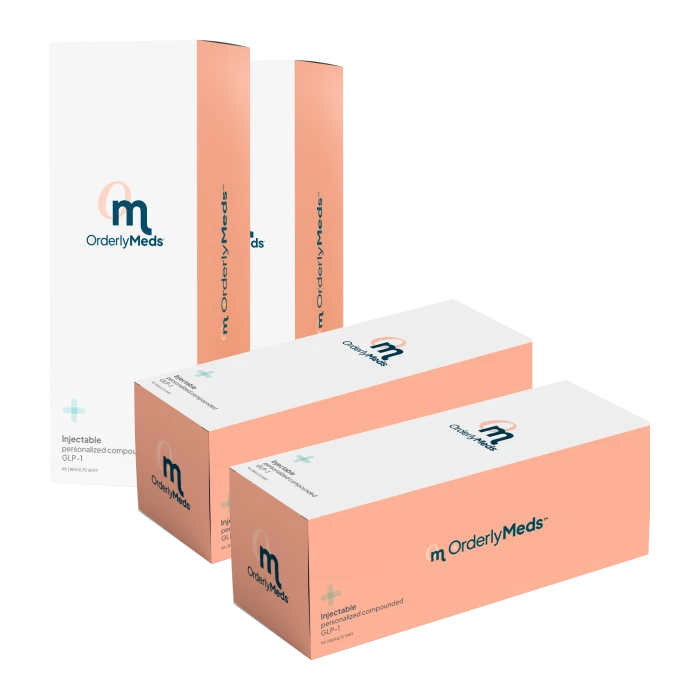
If you’re considering GLP-1 therapy, OrderlyMeds makes it simple to get started with trusted options like semaglutide and tirzepatide, available in convenient compounded forms that fit into your lifestyle.
But what sets OrderlyMeds apart is that you’re never left to figure things out alone. Alongside your provider, you’ll be supported by a full holistic care team designed to help you succeed. This includes:
- A registered dietitian who can create personalized meal strategies that fit your calorie goals and help offset the impact of alcohol or other lifestyle choices.
- A certified personal trainer and strength & conditioning specialist who can guide you through safe, effective exercise routines to boost your metabolism and preserve muscle while losing weight.
- A dedicated support team who check in regularly, answer questions, and help you stay confident in your plan.
By combining GLP-1 therapy with expert lifestyle support, you’ll have the tools to not only manage weight loss but also make informed decisions about alcohol and other habits. With OrderlyMeds, you’ll have support in building a program that helps you thrive long term.