



Men’s Health Spotlight · Featuring Dr. Yi, Bariatric Surgeon & Medical Expert Advisor
Men’s health is as good an excuse as any to discuss a topic that is awkward to discuss for most men: their weight. Men are famously good at putting off the doctor. We are stoic. We are strong. We don’t need help. Yet over the years our weight continues to increase, and eventually we get to a point where we feel like it’s too late to change.
Weight is also a topic we privately worry about, but find it extremely difficult to talk about. We focus on our strength and our ability to provide, but weight is something we ignore.
Yet weight has been shown to be a major factor in long-term health. It affects the condition of your heart, liver, kidneys, and even sleep. So let’s actually talk about it and discuss a medication class that clinical studies have shown can support weight reduction in appropriate candidates. Let’s talk about GLP-1 for men plainly, no judgment, and with someone who does this for a living.
We sit down with Dr. Yi, a bariatric and general surgeon, to cut through the noise around GLP-1 medications and men’s health. On Wednesday, July 15 at 8 PM ET, he’s going live to answer your questions directly, including the ones you’d never ask out loud. Submit yours ahead of time at [email protected] or live during the chat. [ Register Here ]
Why addressing your weight is so important
When we think about men’s health, we think about strength first and foremost. When we’re young, we’re asked by older men, “show me your bicep.” As adults we compare how much we can bench or how much we can squat. But the truth is that health really means the absence of disease. And obesity and being overweight is one of the primary underlying causes of disease in men. Sleep apnea? Obesity is a cause. Heart attacks? Obesity is a cause. Liver disease? Obesity is a cause. Kidney failure? Obesity is a cause. Knee, back, and any number of orthopedic issues? Obesity is a cause.
If we’re talking about men’s health, we’ve got to talk about fighting obesity and getting ourselves to a good weight first. Getting ourselves to a good weight should be one of the first things to discuss.
Is GLP-1 the easy way out?
Before we start talking about GLP-1 medications, we need to address the stigma first, the question almost every guy is quietly asking: isn’t this just the easy way out?
Here’s a reframe worth sitting with. Nobody calls insulin the easy way out for diabetes. Nobody says a knee replacement is cheating. When the body needs medical help, using a medical tool isn’t a failure of willpower. It’s just using the tool. Weight is driven by biology, hormones, and a hundred things that have nothing to do with your ability or fortitude.
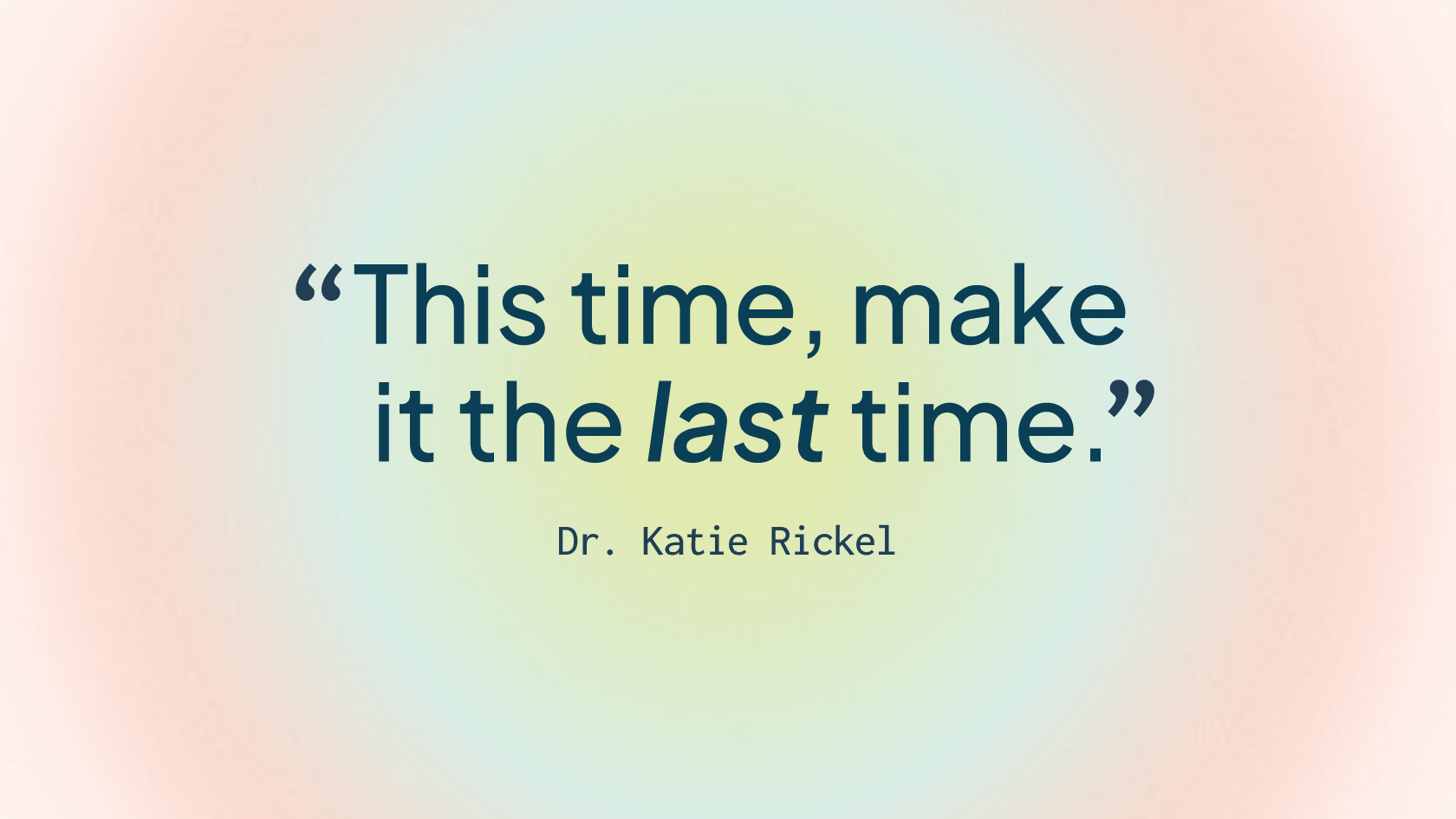
“Your pride shouldn’t affect how you get healthy, your health should make you proud. No matter how you get healthy.”
Dr. Yi, Expert Advisor
What a GLP-1 actually is
GLP-1 medications belong to a class of drugs called GLP-1 receptor agonists. The short version: they’re based on a hormone your own gut releases after you eat.
That hormone does a few jobs. It signals your brain that you’re full, it slows down how quickly your stomach empties, and it helps your body manage blood sugar. Medications in this class work along those same pathways.
It’s not magic, and it’s not for everyone. These are prescription medications with real side effects, most commonly nausea and other stomach issues, and they’re meant to be used under medical supervision. Anyone who tells you it’s effortless is selling you something.
What “compounded” means (and what it doesn’t)
You’ll also hear the word “compounded.” Some people access GLP-1 medications as compounded versions, prepared by a pharmacy rather than bought off the shelf as brand-name products.
A few things to be straight about. Compounded GLP-1 medications are not FDA-approved. They are not the same as brand-name products, and they are not generics or biosimilars. They’re available only with a prescription, and whether one is appropriate for you is a decision a licensed provider makes, not something to figure out on your own.
Is GLP-1 right for you?
So who is this actually for?
Honestly, that’s the part a provider has to answer with you. Generally, they’ll look at your whole picture: your weight and metabolic markers, your history, your other health conditions. For some men it’s a reasonable option. For others it isn’t, and a good provider will tell you that too.
The point isn’t to talk yourself into or out of it from a blog post. It’s to know enough to have a real conversation.
The first few months, straight talk
If you and your provider decide to move forward, here’s the honest version of what the early going can look like.
Side effects often show up first. Nausea and stomach changes are common, and providers usually start low and increase the dose slowly to make that easier. Tell your provider what you’re feeling instead of toughing it out in silence. The good news is that these side effects generally improve the longer you’re on the medication as your body adjusts.
Watch your muscle. When you lose weight, you can lose muscle along with fat, and men care about that for good reason. Protein and resistance training matter here, and we’ll get to that next. Of note, this muscle mass loss is a side effect of rapid weight loss and not necessarily a direct side effect of the medications.
And be patient. This is a slow burn, not a switch. The guys who do best treat it like a long project, not a two-week sprint.
“GLP-1 medications work for the right patient. But they require at least a few months of use to see the results that patients are expecting. So if you’re going to start them, buy in to the process to achieve your goals.“
Dr. Yi, Bariatric surgeon
Eating and lifting while you lose
A few practical things that help, especially when your appetite drops:
Eat protein first. When you’re not very hungry, make the bites you do eat count, and prioritize protein to help protect muscle.
Keep lifting. Resistance training is one of the best things you can do to hold on to strength while the weight comes off.
Go easy on alcohol. It can hit differently when you’re eating less, and it’s worth raising with your provider.
None of this is glamorous. It’s just the stuff that works.
Beyond the scale: the bigger picture
Let’s zoom out, because this was never really just about a number on a scale.
Heart disease is still the leading cause of death for men. Belly fat, the deep visceral kind, is part of that conversation, and it’s tied to blood pressure, blood sugar, and overall metabolic health. Carrying less of it is a heart conversation, not a vanity one.
While you’re at it, book the physical you’ve been skipping. Know your numbers. Ask about sleep apnea if you snore like a freight train. And don’t ignore the mental side, because mood and weight are more connected than most men admit.
That’s the bigger point. Taking care of your weight is taking care of the rest of you.
Bring your questions live
Here’s where Dr. Yi comes in.
On Wednesday, July 15 at 8 PM ET, he’s hosting a live Q&A, and the whole point is the questions you’d never ask in a waiting room. Is it cheating? Will I lose muscle? What happens if I stop? Can I still have a beer? Is compounded the same as the brand-name shots?
Bring the awkward ones. He’s a bariatric surgeon. He’s heard all of it.
Wednesday, July 15, 8 PM ET. Submit your questions ahead of time at [email protected] or live during the chat. [ Register Here ]
Compounded medications are not FDA-approved and are prescribed only when a healthcare provider determines they are medically necessary for an individual patient. They are not the same as FDA-approved medications and are not intended to replace FDA-approved drugs. References to FDA-approved medications or clinical study results are provided for general educational purposes only and do not represent outcomes for compounded medications. Information provided is for educational purposes only and is not intended to diagnose, treat, cure, or prevent any disease.