


Written By Dr. William Yi, Board-Certified General & Bariatric Surgeon | OrderlyMeds Medical Expert
This guide to GLP-1 medications was written by Dr. William Yi, a board-certified general and bariatric surgeon who has prescribed and managed these medications alongside surgical weight loss care. It covers how GLP-1 medications work, what to realistically expect in the first months, how to manage side effects, and answers to the questions patients ask most. Everything below is in Dr. Yi’s own words.
A Note From Dr. Yi Before You Start Reading
I grew up in Los Angeles as an obese teenager. My pants were literally labeled “Husky.” I know what it feels like to carry extra weight: the frustration, the self-consciousness, the sense that your body is working against you no matter what you do.
That experience is a big part of why I became a bariatric surgeon. I trained at Vanderbilt, did my residency at Georgetown, and worked at University of Pennsylvania before settling into practice in Northeastern Pennsylvania, where I’ve spent years performing general and bariatric surgeries and working with patients who’ve tried everything and are looking for real help.
When GLP-1 medications came along, I was genuinely excited. For the first time, we have a medication derived from your body’s own biology to make weight loss more achievable, supported by a substantial body of clinical research. I personally believe obesity is the most urgent health crisis we’re facing right now, and these medications, used the right way, can be a valuable tool for many patients.
So that’s who I am and why I care. Now let’s talk about what you need to know when starting out on these medications.
How GLP-1 Medications Work When You’re Starting Out
They do a few key things: slow down how fast food moves through your stomach, so you feel full longer; signal your brain to reduce appetite and quiet “food noise”; and help regulate blood sugar by working on the pancreas. Some emerging research is exploring other effects, but these are not approved uses and should be discussed with your provider.
These medications were originally developed to treat diabetes and have been studied extensively. Weight loss was approved as an indication in 2021. They have been used by millions of individuals, though like all medications, they carry risks. Talk to your provider about whether they’re right for you.
What to Expect: A Realistic Timeline
By 8 weeks, many people have lost about 4% of their starting weight. In clinical trials, semaglutide produced an average of approximately 16-17% total body weight loss and tirzepatide approximately 20-22%, but individual results vary significantly. For a 200-pound person, that clinical-trial average would be roughly 32-44 lbs, though your results may differ. The most meaningful results are assessed at the one-to-two-year mark, not the first few weeks.
The First Month: What’s Really Happening
The first month is honestly the hardest part of this whole process. I want to be upfront about that. It’s better to walk in prepared than to feel blindsided.
Your body is adjusting to a medication that’s fundamentally changing how your gut works. Here’s what that typically looks like:
Weeks 1-2
You’re starting at a low dose. Your appetite may decrease a little, but don’t expect dramatic changes yet. This is also when side effects tend to peak: nausea, bloating, possibly constipation, possibly fatigue. This is your body finding its new normal. It’s temporary.
The day after your injection is rough for a lot of people. You may feel wiped out and nauseous. This is very common. Drink protein water, stay hydrated, and rest. It gets better after a few weeks as your body adjusts.
Weeks 2-4
Side effects should start to soften. Your appetite is probably dropping noticeably. You may not see dramatic weight loss yet, but your relationship with food is starting to shift. That’s the medication working.
The scale in month one
By 8 weeks, most people have lost about 4% of their starting weight. For someone who weighs 200 lbs, that’s roughly 8 pounds. I know that might sound slow. But fast weight loss carries real risks, including gallstones, hair loss, and muscle loss. Steady is what we’re after.
“If side effects are making you think about stopping, contact your provider through the patient portal or reach out to your Primary Care Physician before you do anything. The most common reason side effects are severe is that the dose needs adjustment, not that the medication isn’t right for you.”
— Dr. William Yi
Months 2-6: The Main Event
This is typically when you’ll see your most significant weight loss. The medication is at full effect, your body has adjusted, and appetite reduction becomes your new baseline. Most people describe a noticeable quieting of food cravings during this phase.
“Don’t focus on short-term losses or gains. View this as a two-year journey that lays the groundwork for lasting change in your life.”
— Dr. William Yi
Months 6 and Beyond
Weight loss continues but slows down. This is completely normal and expected. On average:
- Semaglutide: approximately 16-17% of total body weight lost over the program
- Tirzepatide: approximately 20-22% of total body weight lost over the program
For a 200-pound person, that’s roughly 32-44 lbs. The most meaningful results are assessed at the one-to-two year mark, not the first few weeks.
Think of This as a Spark Plug, Not a Solution
Here’s something I tell every patient I work with: these medications work best when you use them to build something lasting. The window you have while the medication is reducing your hunger and quieting food noise is the most valuable time to develop the habits that will carry you forward.
That means using this time to figure out what eating patterns work for you, find movement you actually enjoy, and start building a routine your body can sustain. Not because you have to, but because that’s how you keep the results. This is the time to find exercise. You may have tried to start a routine before and found it too hard. Maybe you found yourself too fatigued to carry on. Maybe you kept at it for a few weeks and didn’t see any changes. With GLP-1 medications assisting you, exercise not only may be something you find enjoyable, but also the reason that you actually see weight loss success and are able to sustain it.
The research backs this up too. Patients who come off GLP-1s and maintain their weight are almost always the ones who built real lifestyle changes during treatment. They are the patients that changed their diet and their daily activity levels. Those who stop without that foundation tend to regain. The medication creates the conditions for change. What you do with that window is what determines the long-term outcome.
“If you use these medications as a jumpstart to build good habits, you may be better positioned to maintain results after stopping, though many patients do experience some weight regain, and outcomes vary. Exercise supports your body’s natural GLP-1 production. That’s the goal: use this as a spark plug to help build lasting habits. Any decision to stop should be made with your provider.”
— Dr. William Yi, OrderlyMeds Expert Advisor
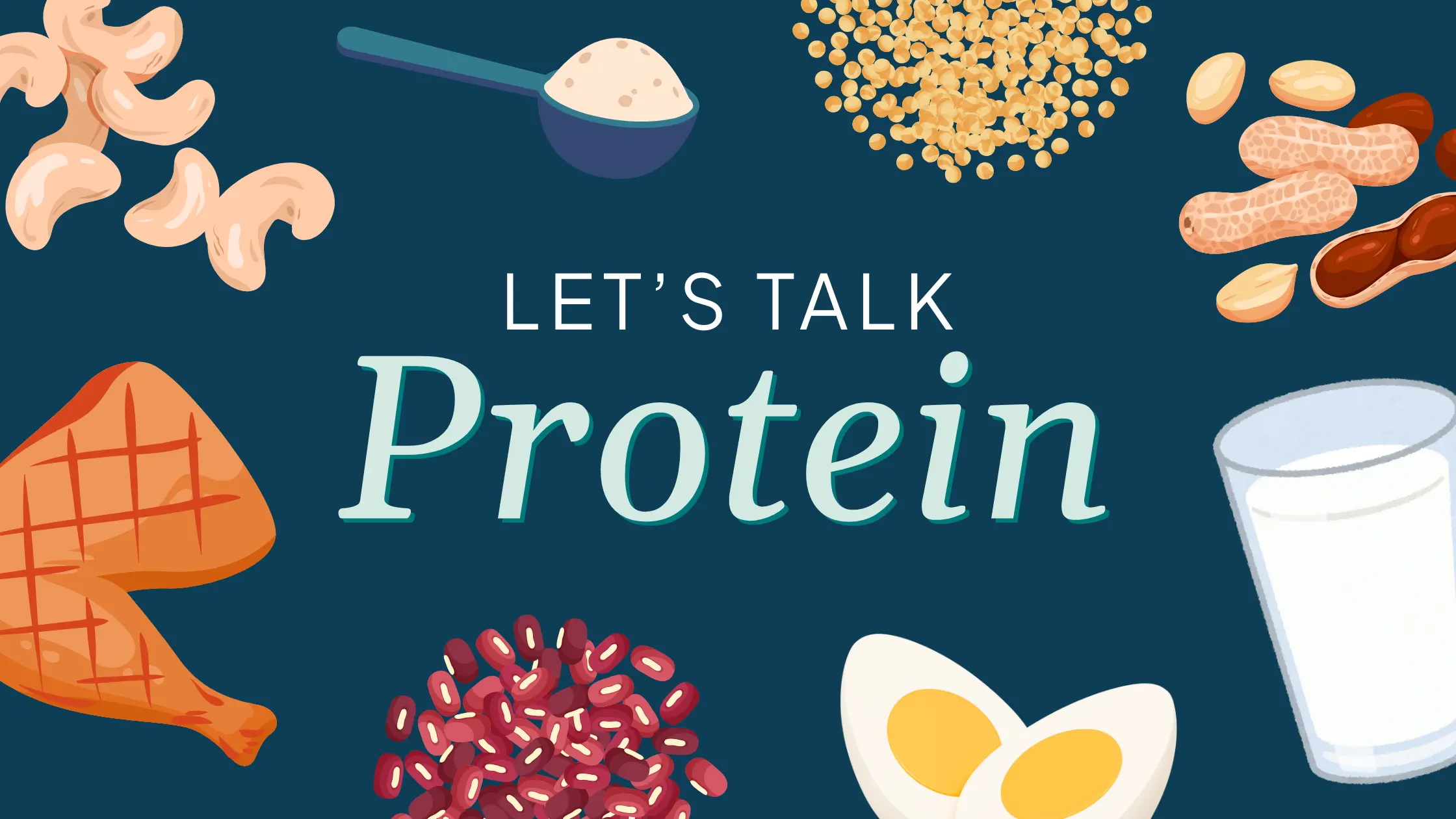
The #1 Rule: Eat Your Protein First
When you’re eating less overall, every bite has to count. Protein is what protects your muscle, prevents hair loss, and keeps your energy stable throughout the day. Protein is the building blocks of your body, and above all else you need to keep your protein intake up when losing weight.
Target: 60-80 grams of protein per day minimum. Aim for a high proportion of your daily calories coming from protein.
Practical tip: eat the protein before anything else.
Can’t eat enough because of nausea? Protein shakes and protein water count. It doesn’t matter where the protein comes from, as long as you’re getting it.
“Hair loss during rapid weight loss is often linked to inadequate protein intake, which can push follicles into a resting phase. In many patients it improves when protein intake increases, though individual experiences vary. Talk to your provider if you’re concerned.”
— Dr. William Yi
Common Side Effects in the First Few Weeks
Most side effects from GLP-1 medications happen for the same reason: the medication is slowing your gut down. That’s also exactly how it produces results. The good news is that for most people, these symptoms peak in the first two weeks and improve significantly after that.
Here’s a quick overview of what to expect and how to manage each one.
Nausea
Very common in weeks 1-2. Eat 5-6 small meals instead of 3 large ones. Ginger or peppermint tea genuinely helps. Sip fluids slowly rather than drinking large amounts at once. If it’s severe and not improving, contact your provider through the patient portal or reach out to your Primary Care Physician to discuss options; medications like ondansetron are sometimes prescribed for nausea.
Constipation
Drink 64 oz of water daily; aim for 35 grams of fiber. A daily Metamucil is an easy way to get there. Daily movement helps more than most people expect.
Diarrhea
Counterintuitive, but it does happen, because GLP-1s affect the timing of digestion differently at different points in your intestines. Stay hydrated, avoid alcohol and high-sugar foods, and eat smaller, more frequent meals.
Heartburn
Stop eating at least 3 hours before bed. Avoid spicy foods, red sauces, alcohol, and carbonated drinks. If your reflux was already a problem before starting, flag it with your provider early.
Fatigue
Your body is getting fewer calories than it’s used to. Stay hydrated and ask your provider whether a daily multivitamin is right for you (a prenatal covers iron, B12, and vitamin D, but discuss what fits your needs). Exercise increases energy over time.
What to Take Every Day
| Supplement | Why |
|---|---|
| Daily multivitamin (prenatal is what I take) | Covers iron, B12, vitamin D: everything you eat less of when calories drop |
| Fiber supplement (Metamucil or similar) | Covers iron, B12, vitamin D: everything you eat less of when calories drop |
| Protein shake or protein water | Backup for days when nausea makes eating feel impossible |
Diet: What Actually Works
You don’t need a nutritionist or a meal plan to do this well. A few rules that make a real difference:
- Protein first, always. Every meal, every time.
- Eat small, eat often. 5-6 smaller meals beats 3 large ones for managing every side effect.
- Hydrate. 64 oz of water per day. If you hate plain water, Crystal Light is fine.
- Avoid processed foods and refined sugars. They worsen every side effect and add empty calories.
- Shop the perimeter of the grocery store. The middle aisles are where processed food lives.
- Don’t shop hungry. Sounds obvious, but it matters.
The medication helps you eat less, but weight loss still comes down to calories in vs. calories out. GLP-1s make that deficit easier to sustain. They don’t eliminate the need for it.
Exercise: More Important Than You Think
Exercise supports your body’s own GLP-1 production. The more you move, the more you support your results, and you should make any dosing changes with your provider. Any cardio helps with constipation, energy, and weight loss; resistance training helps preserve muscle on a calorie-restricted program. A daily walk is enough to start.
Dr. Yi Answers Your Most Common Questions
Is taking a GLP-1 cheating?
I get emotional about this one. Why is this a competition? You’re not cheating. You’re treating a medical condition with an effective, well-researched tool. Obesity increases your risk of diabetes, heart disease, fatty liver disease, and early death. If you had high blood pressure, no one would tell you that taking medication for it is cheating.
Will I have to take GLP-1 medications forever?
Not necessarily for everyone. Some patients who build lasting habits maintain results after tapering, though weight regain is common. Discuss any plan to stop with your provider.
Are GLP-1 medications safe?
They are among the most well-studied drug classes we have, with over 30 years of research and a long track record in diabetes care. Like all medications they carry risks: the most common side effects are GI-related and temporary, and serious complications like pancreatitis and gallstones occur in a small percentage of patients. Your provider can help assess whether they’re safe for you.
Can I take a GLP-1 after bariatric surgery?
Yes, and this comes up in my practice regularly. Bariatric surgery itself increases GLP-1 activity in your body, which is part of why it works. GLP-1 medications and bariatric surgery are complementary, not competing options.
If you’ve regained weight after surgery or didn’t reach your goal, a GLP-1 can absolutely help. And if GLP-1s aren’t enough on their own, surgery is still an option. Use every tool medicine has available.
I’m nervous about going up to the next dose. Can I stay at my current dose?
Absolutely. Increasing the dose speeds up the rate of weight loss, but it also increases chances of developing side effects. I routinely tell patients not to increase their medication dosages unless they haven’t seen weight loss for a month. Even at a starting dose for a full year, you will still lose weight. You’ll just lose it more gradually.
If nausea or side effects are making you hesitant to go up, stay where you are and give your body more time to adjust first. This is your journey. There’s no race.
What if I stop taking GLP-1 and need to restart later?
If you’ve been off for more than a month or two, your body will have readjusted and you’ll need to restart from a low dose. You may be able to ramp up faster than the first time depending on how your side effects go, but don’t skip the titration. Your gut needs time to readjust.
I have no side effects. Does that mean GLP-1 isn’t working?
No. About 20-30% of patients have minimal or no side effects. All that matters is whether you’re seeing appetite reduction and weight loss. If you’re not seeing movement on the scale, that’s what to address, not the absence of nausea.
Can I take a GLP-1 if I’m diabetic?
Yes. These medications were originally developed for diabetes. The active ingredients are the same ones used to manage blood sugar. If you have both diabetes and obesity, a GLP-1 addresses both at the same time.
Can I do keto or intermittent fasting while on a GLP-1?
Keto works well with GLP-1s because you’re naturally increasing protein intake. As for intermittent fasting, the data isn’t strong either way. What matters most is hitting a calorie deficit and getting enough protein. Whatever eating pattern helps you do that consistently is the right one for you.
When to Message Your Provider
Most side effects are manageable at home. But contact your provider through the patient portal or reach out to your Primary Care Physician for these:
- Sharp, stabbing pain under your sternum that radiates to your back, especially with fever. This is how pancreatitis presents. Don’t wait on this one.
- Cramping pain under your right ribs with nausea and vomiting. This could be gallstones. Not an emergency, but it needs evaluation.
- Side effects so severe you’re thinking about stopping. Reach out first. A dose adjustment often solves the problem entirely.
The Bottom Line
I’ve been a bariatric surgeon long enough to have seen patients try everything. These medications are the real deal. The research is solid, the track record is long, and the results for people who stick with it are meaningful.
But they work best when you treat them as a spark plug, not the whole solution. Eat your protein. Move your body. Hydrate. Take your multivitamin. Use the time this medication gives you to build habits that last. Give yourself at least six months before making any judgments about whether this is working. You’re not alone in this.
The OrderlyMeds team is here every step of the way.
“You’re just trying to be the best version of yourself. These medications are a tool to help you get there, and there’s nothing to be ashamed of.”
— Dr. William Yi
Frequently Asked Questions
GLP-1 medications slow how fast food moves through your stomach, signal your brain to reduce appetite, and help regulate blood sugar through the pancreas. The result is that you feel full longer and eat less — which creates the calorie deficit that drives weight loss. They don’t burn fat directly. They reduce how much comes in.
The first month is the hardest. Side effects — nausea, bloating, fatigue, constipation — tend to peak in weeks one and two and improve significantly after that. By eight weeks, most patients have lost about 4% of their starting body weight. That’s roughly 8 pounds for someone starting at 200 lbs. Steady progress is the goal, not rapid loss.
In clinical trials, semaglutide averaged approximately 16-17% total body weight loss and tirzepatide 20-22%; individual results vary.
Hair loss during rapid weight loss is often linked to inadequate protein intake rather than the drug itself, and frequently improves when protein intake increases, though experiences vary.
Not necessarily. The goal is to use GLP-1 medications as a catalyst to build sustainable dietary and exercise habits. Exercise itself naturally raises GLP-1 levels in your body. Patients who build consistent habits while on the medication can often maintain their results after tapering off. Ramp down slowly and make sure the habits are solid before stopping completely.
They are among the most well-studied drug classes, with research dating to the early 1990s, but they carry risks. The most common side effects are GI-related and temporary, and serious complications occur in a small percentage of patients. Talk to your provider.
Yes. Increasing the dose speeds weight loss but also increases side effect risk. Even at the starting dose for a full year, you will still lose weight — just more gradually. There is no race. Stay at the dose that works for your body and your lifestyle.
No. You are treating a medical condition — obesity — with a well-researched, effective tool. Obesity increases risk of diabetes, heart disease, fatty liver disease, and early death. No one calls blood pressure medication cheating. These medications exist to help people get healthier. That’s all.
Related Resources
Watch Dr. Yi explain GLP-1 side effects in detail — including live patient Q&A: → GLP-1 Side Effects 101 Webinar
The complete guide to how GLP-1 medications work, weight loss expectations, and candidacy — with registered dietitian Kristen Kirkpatrick: → How Do GLP-1s Work for Weight Loss? A Doctor and Dietitian Explain
Ready to start with medical supervision and expert support: → Get Started with OrderlyMeds
Medical Disclaimer: This guide was written by Dr. William Yi for informational and educational purposes. It does not constitute personalized medical advice. GLP-1 medications require a prescription and a clinical evaluation. Individual results, side effect experiences, and appropriate dosing vary. Always consult a qualified healthcare provider before starting, adjusting, or stopping any medication or supplement.