
Key Takeaways
- Polycystic Ovary Syndrome (PCOS) is closely tied to insulin resistance and metabolic health, which helps explain why GLP-1 medications like semaglutide and tirzepatide are gaining attention as supportive treatment options.
- Semaglutide and tirzepatide work in similar but distinct ways, with tirzepatide’s dual GLP-1/GIP action potentially offering enhanced metabolic and weight-related benefits for some people.
- Both medications may support PCOS-related improvements beyond weight loss, including better insulin sensitivity, hormonal balance, and cardiovascular risk markers.
- Side effects and individual response vary, making medically supervised care essential when deciding which option, if any, fits your health goals and tolerance.
- OrderlyMeds offers both compounded semaglutide and tirzepatide with provider-led care, helping you and your healthcare team determine which medication best fits your PCOS management goals.
What Is PCOS?
Polycystic ovary syndrome (PCOS) is one of the most common hormonal conditions affecting people of reproductive age, impacting an estimated 6–13% of women. It’s characterized by a combination of symptoms that can include irregular menstrual cycles, excess androgen production (which may cause acne or excess hair growth), and polycystic ovaries visible on ultrasound.
Beyond reproductive symptoms, PCOS is closely linked to metabolic challenges. Many people with PCOS experience insulin resistance, which can make weight management more difficult and increase the risk of developing type 2 diabetes, high cholesterol, and cardiovascular issues over time.
If you’ve been diagnosed with PCOS, you’re not alone, and you’re not imagining how hard it can feel to manage. The condition is complex, often under-researched, and historically undertreated. That’s why emerging options like GLP-1 medications are generating genuine interest among both patients and providers.
OrderlyMeds: Medically-Supervised GLP-1 Weight Loss Made Accessible
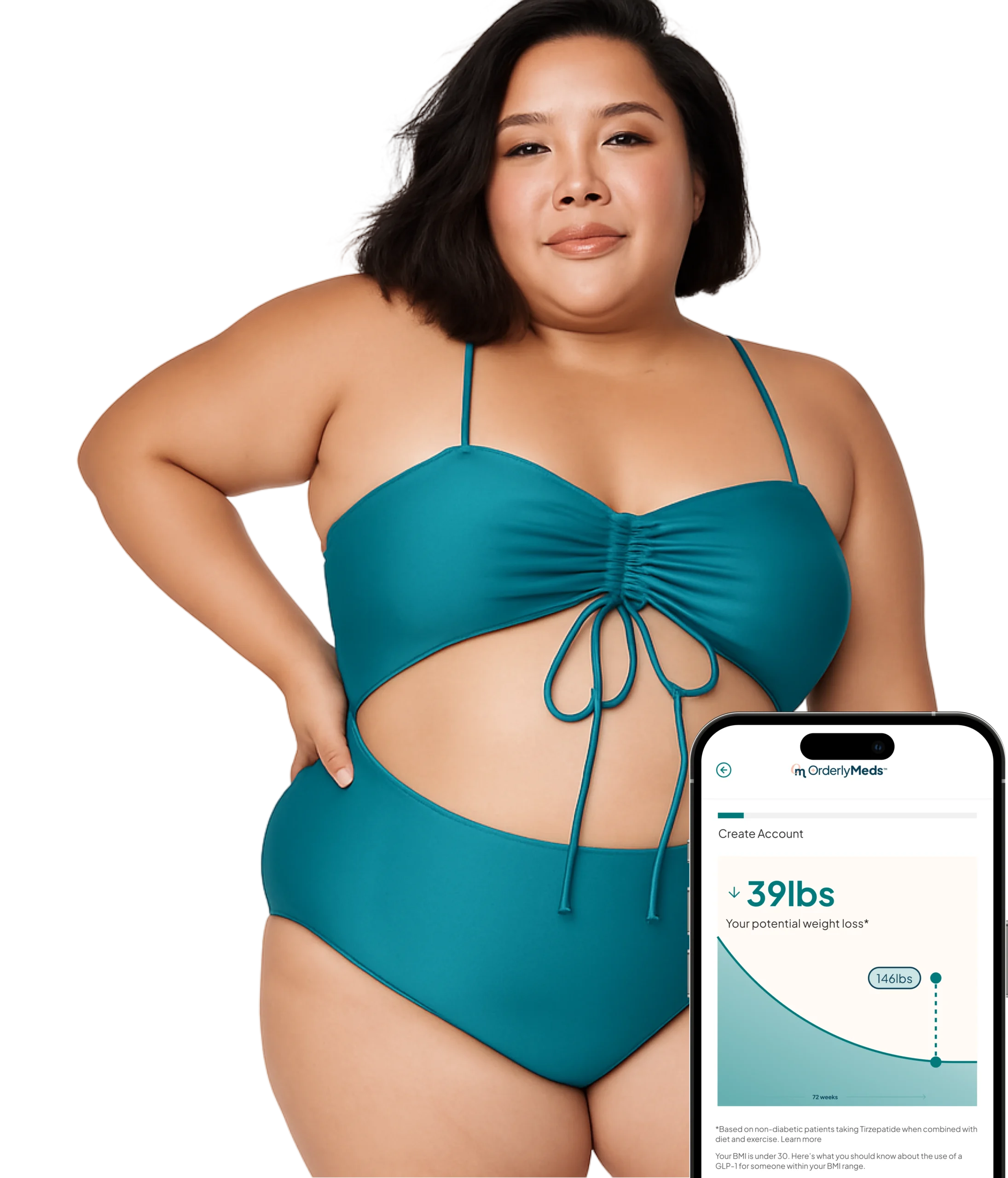
15lbs Average Loss in 3 Months | 4.7★ Google Rating

Sustainable Weight Loss with Expert Support:
Access compounded semaglutide or tirzepatide through telehealth—significantly more affordable than branded alternatives. Join 57,000+ customers who’ve collectively lost over 1 million pounds with ongoing medical guidance and personalized dosing.
Your Complete Care Package Includes:
✓ $224 for 3-month starter plan (compounded semaglutide)
✓ Unlimited provider access with personalized dosing adjustments
✓ $3,700 value in nutrition resources, expert webinars, and community support
✓ Direct-to-home delivery with optional mental health partnership
Real medical care. Real results. Real support every step of your journey.
How GLP-1 Medications May Help With PCOS
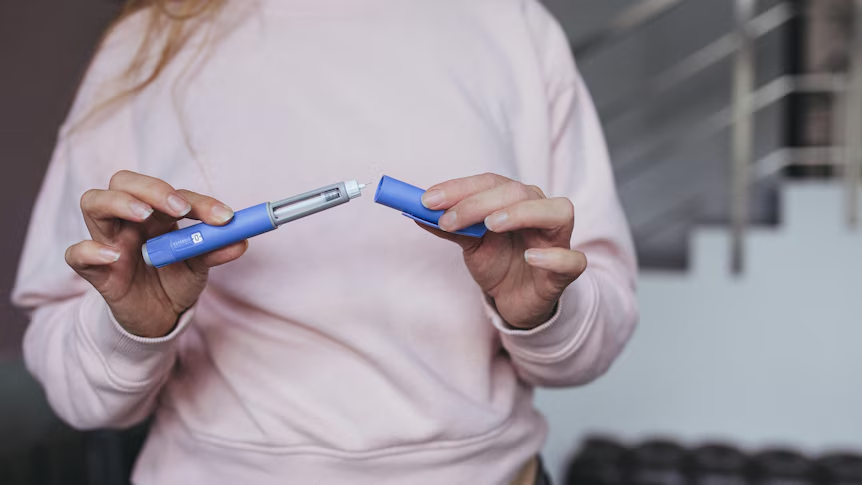
Semaglutide and tirzepatide belong to a class of medications originally developed for type 2 diabetes. They mimic natural hormones in your body that help regulate blood sugar, slow digestion, and reduce appetite. These effects have made them valuable tools for weight management, and increasingly, for supporting metabolic health in people with PCOS.
Here’s why that matters for PCOS: insulin resistance is a core feature of the condition for many people. When your body doesn’t respond well to insulin, it can trigger a cascade of hormonal imbalances, including elevated androgens. By improving insulin sensitivity and supporting weight management, GLP-1 medications may help address some of the underlying metabolic dysfunction associated with PCOS.
It’s worth noting that neither semaglutide nor tirzepatide is FDA-approved specifically for PCOS. However, semaglutide was included in the 2023 International Evidence-Based Guidelines for PCOS as a treatment consideration, reflecting growing clinical interest in its potential benefits for this population.
Semaglutide vs Tirzepatide: Key Differences
While both medications share some similarities, they work in slightly different ways, and those differences may matter depending on your body and goals.
Semaglutide is a GLP-1 receptor agonist. It mimics the glucagon-like peptide-1 hormone, which helps regulate appetite, slow gastric emptying, and improve insulin secretion. Brand names include Ozempic (for type 2 diabetes) and Wegovy (for weight management).
Tirzepatide is a dual GLP-1/GIP receptor agonist. In addition to activating GLP-1 receptors, it also targets glucose-dependent insulinotropic polypeptide (GIP) receptors. This dual action may enhance its effects on blood sugar regulation, fat metabolism, and appetite suppression. Brand names include Mounjaro (for type 2 diabetes) and Zepbound (for weight management).
| Feature | Semaglutide | Tirzepatide |
| Mechanism | GLP-1 receptor agonist | Dual GLP-1/GIP receptor agonist |
| Administration | Weekly subcutaneous injection | Weekly subcutaneous injection |
| FDA-approved for weight management | Yes (Wegovy) | Yes (Zepbound) |
| FDA-approved for PCOS | No | No |
| Included in 2023 PCOS guidelines | Yes | Not specifically mentioned |
Some individuals respond better to one medication than the other. If the results aren’t what you expected with one, switching may be worth discussing with your provider.
Potential Benefits for PCOS

While research specifically on PCOS populations is still developing, available evidence points to several potential benefits:
- Improved insulin sensitivity. Both semaglutide and tirzepatide help the body use insulin more effectively. For people with PCOS, this can be meaningful—better insulin function may help reduce androgen levels and improve overall metabolic health.
- Menstrual cycle regulation. Some studies have observed that people with PCOS who achieve metabolic improvements on GLP-1 medications also experience more regular menstrual cycles. This is likely connected to improvements in hormonal balance.
- Reduced androgen levels. Elevated testosterone is a hallmark of PCOS for many people. Evidence suggests that GLP-1 medications may help lower total testosterone and other androgen markers, potentially improving symptoms like acne and excess hair growth.
- Cardiovascular and metabolic markers. Both medications have been associated with improvements in waist circumference, triglycerides, and cholesterol levels, all of which are important considerations for long-term health in people with PCOS.
It’s important to remember that medications work best as part of a broader approach that includes nutrition, movement, and ongoing medical support. They’re tools, not replacements for healthy habits.
Common Side Effects to Know
Both semaglutide and tirzepatide can cause side effects, most commonly related to the digestive system. Understanding what to expect can help you feel more prepared.
Common side effects include:
- Nausea
- Vomiting
- Diarrhea
- Constipation
- Stomach discomfort
- Reduced appetite
These effects are usually mild to moderate and tend to occur most frequently during the initial weeks of treatment or when your dose is increased. Gradual dose titration—starting low and increasing slowly—helps minimize discomfort for most people.
In clinical comparisons, tirzepatide at higher doses has been associated with slightly more gastrointestinal effects than semaglutide, though both medications share a similar overall side effect profile. Some research suggests that the GIP component in tirzepatide may actually help reduce nausea for specific individuals.
When to contact your provider:
- Severe or persistent nausea or vomiting
- Signs of dehydration
- Unusual abdominal pain
- Any symptoms that concern you
Both medications carry boxed warnings about the risk of thyroid C-cell tumors based on animal studies. They’re not recommended for people with a personal or family history of medullary thyroid carcinoma or Multiple Endocrine Neoplasia syndrome type 2.
Which One Might Be Right for You?
There’s no universal answer to whether semaglutide or tirzepatide is “better”; it depends on your individual health profile, how your body responds, and your specific goals.
Factors to consider with your provider:
- Your current metabolic health and insulin resistance levels
- Previous experience with GLP-1 medications (if any)
- Tolerance for potential side effects
- Cost and access considerations
- Whether you’re planning pregnancy (both medications should be discontinued before conception)
Some people do well on semaglutide and see meaningful improvements. Others find tirzepatide’s dual mechanism offers additional benefits. If one medication isn’t delivering the results you hoped for, switching is often a reasonable next step, always under medical supervision.
The most important thing is working with a provider who understands PCOS and can help you navigate your options based on your unique situation.
How OrderlyMeds Supports Your Journey
Managing PCOS often means navigating complex symptoms, conflicting information, and limited treatment options. At OrderlyMeds, we offer a straightforward path to personalized GLP-1 care, with support that extends far beyond the medication itself.
We provide both compounded semaglutide (GLP-1) and compounded tirzepatide (GLP-1/GIP). Your medication is compounded to match your specific needs, and your care team adjusts your plan as your body responds. Every treatment begins with a health screening and provider review. This is when our licensed physicians evaluate your medical history and goals to determine whether GLP-1 therapy is appropriate and which option is most suitable for you.
Pricing is transparent and doesn’t require insurance. Your cost covers provider consultations, your medication (if prescribed), and ongoing support with no surprise bills or insurance hurdles.
Membership also includes more than $3,700 in resources: doctor-led orientation, free virtual consultations, dietitian-created meal plans, science-backed guides, expert webinars, private community access, a fitness app, and BetterHelp online therapy. These tools help you build sustainable habits alongside your medication.
OrderlyMeds is available in all 50 states and partners with FDA-regulated 503A pharmacies nationwide. With six pharmacy locations optimizing shipping times and two 50-state medical network teams ensuring redundancy, you can count on consistent access to your care. Our OrderlyMeds app lets you track your progress, stay connected with your care team, and access resources, all from your phone.
Check Your Eligibility with OrderlyMeds →
Frequently Asked Questions (FAQs)
Are semaglutide and tirzepatide FDA-approved for PCOS?
No. Neither medication is currently FDA-approved specifically for treating PCOS. However, they are approved for weight management and type 2 diabetes, and semaglutide was included in the 2023 international PCOS treatment guidelines as a consideration for weight and metabolic management. Many providers prescribe these medications off-label for people with PCOS who have obesity or insulin resistance.
How long does it take to see results for PCOS symptoms?
This varies by individual. Some people notice changes in appetite and energy within the first few weeks. Improvements in menstrual regularity, metabolic markers, and other PCOS symptoms may take several months of consistent use. Working with a provider helps you track progress and adjust your plan as needed.
Can I switch from semaglutide to tirzepatide (or vice versa)?
Yes, switching is generally considered safe and may be beneficial if you’re not seeing the expected results with a particular medication. However, switching should always be managed by a licensed provider, as starting doses typically need to be adjusted to ensure safety and tolerability.
What if I’m trying to conceive?
Both semaglutide and tirzepatide should be discontinued before attempting pregnancy. Current guidelines recommend stopping these medications at least two months before trying to conceive. Additionally, tirzepatide may reduce the effectiveness of oral contraceptives, so barrier methods or non-oral contraception should be used during treatment. Discuss your family planning goals with your provider before starting either medication.
Does OrderlyMeds offer both semaglutide and tirzepatide?
Yes. OrderlyMeds offers compounded semaglutide (GLP-1) and compounded tirzepatide (GLP-1/GIP), as well as brand-name options like Wegovy and Zepbound. Your provider will help determine which option is right for you based on your health profile and goals.
*Disclaimer: This article is for informational purposes only and does not constitute medical advice. OrderlyMeds provides compounded medications not reviewed by the FDA for safety, efficacy, or quality. Always consult a licensed healthcare provider before starting any medication. Individual results vary, and medication should be used alongside healthy lifestyle practices.